Upscaling & Performance
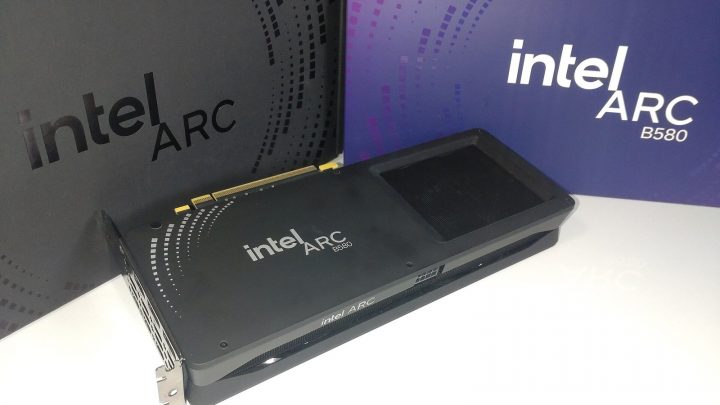
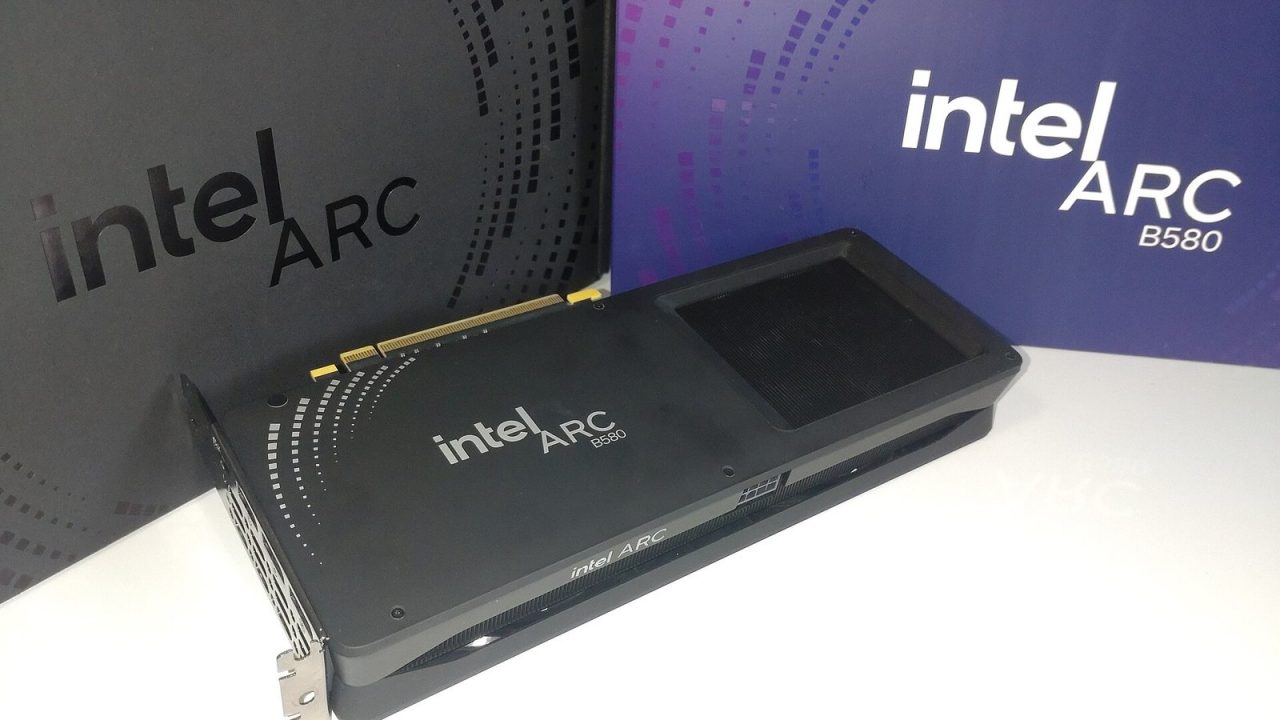
Intel XeSS Explained: Upscaling, Frame Generation and Low Latency
How Intel XeSS works as of 2026: AI upscaling on XMX and DP4a, quality modes, XeSS 2 frame generation and XeLL, and XeSS 3 multi frame generation.
How Intel XeSS works as of 2026: AI upscaling on XMX and DP4a, quality modes, XeSS 2 frame generation and XeLL, and XeSS 3 multi frame generation.
How Unreal Engine 5's Nanite works: triangle clusters, a hierarchy of detail, streaming, software rasterization of tiny triangles, and its limits.
A practical, step-by-step path for complete beginners: choose an engine, learn the basics, clone classics, finish tiny games, join jams and keep growing.
Follow a game from first idea to launch: concept, pre-production, prototyping, production, alpha, beta, certification, release and post-launch updates.
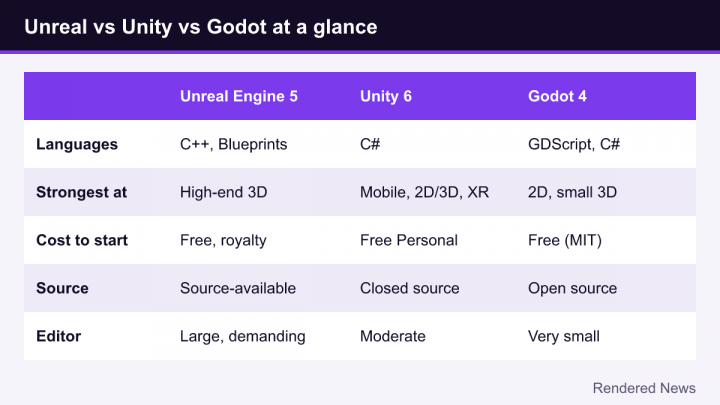
A goals-based comparison of Unreal, Unity and Godot as of 2026: languages, learning curve, 2D vs 3D, licensing, platforms and which to learn first.
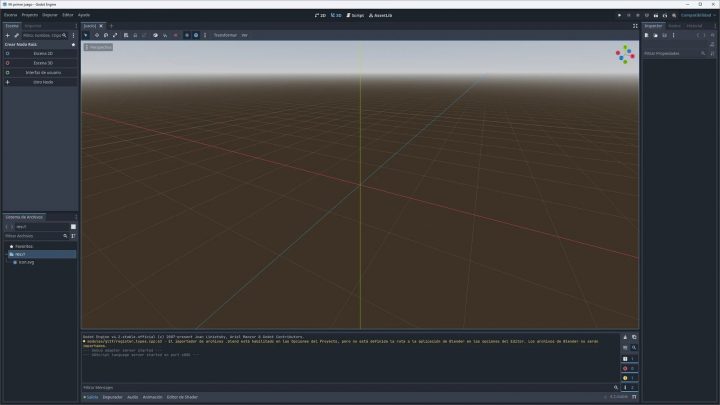
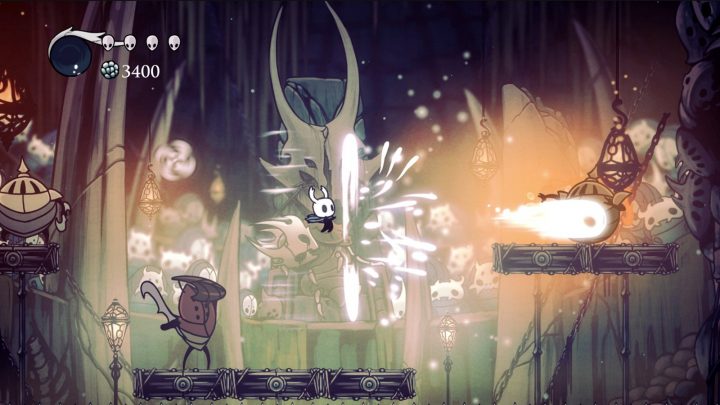
What makes Godot different: the MIT license, scenes and nodes, GDScript and C#, its strong 2D tools, Godot 4's renderers and the games built with it.
How the Unity engine works: the editor, GameObjects and components, C# scripting, URP and HDRP, the Unity 6 release model and the games built with it.
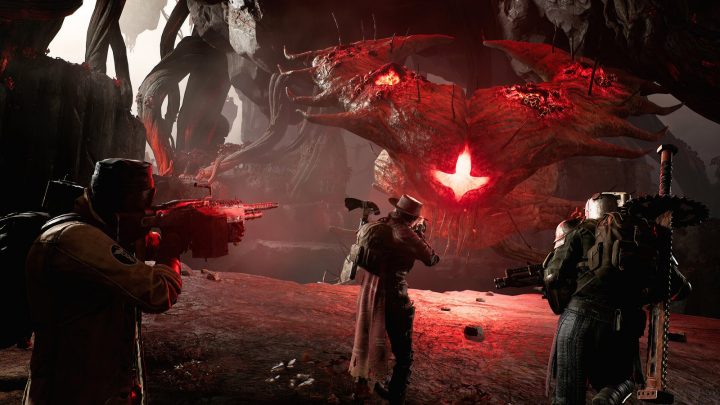
A clear tour of Unreal Engine 5: Nanite, Lumen, World Partition, MetaHuman, PCG, Blueprints and C++, Fab, the version history and the games built on it.
What a game engine is, the subsystems inside it (rendering, physics, audio, scripting, tools), and why studios license engines like Unreal or build their own.
Why screen tearing happens, what V-Sync, double and triple buffering really do, and how VRR, G-Sync, FreeSync and frame caps fit together.
What HDR changes in games, how peak brightness, paper white and black level sliders work, what tone mapping does, and how to fix washed-out or crushed HDR.