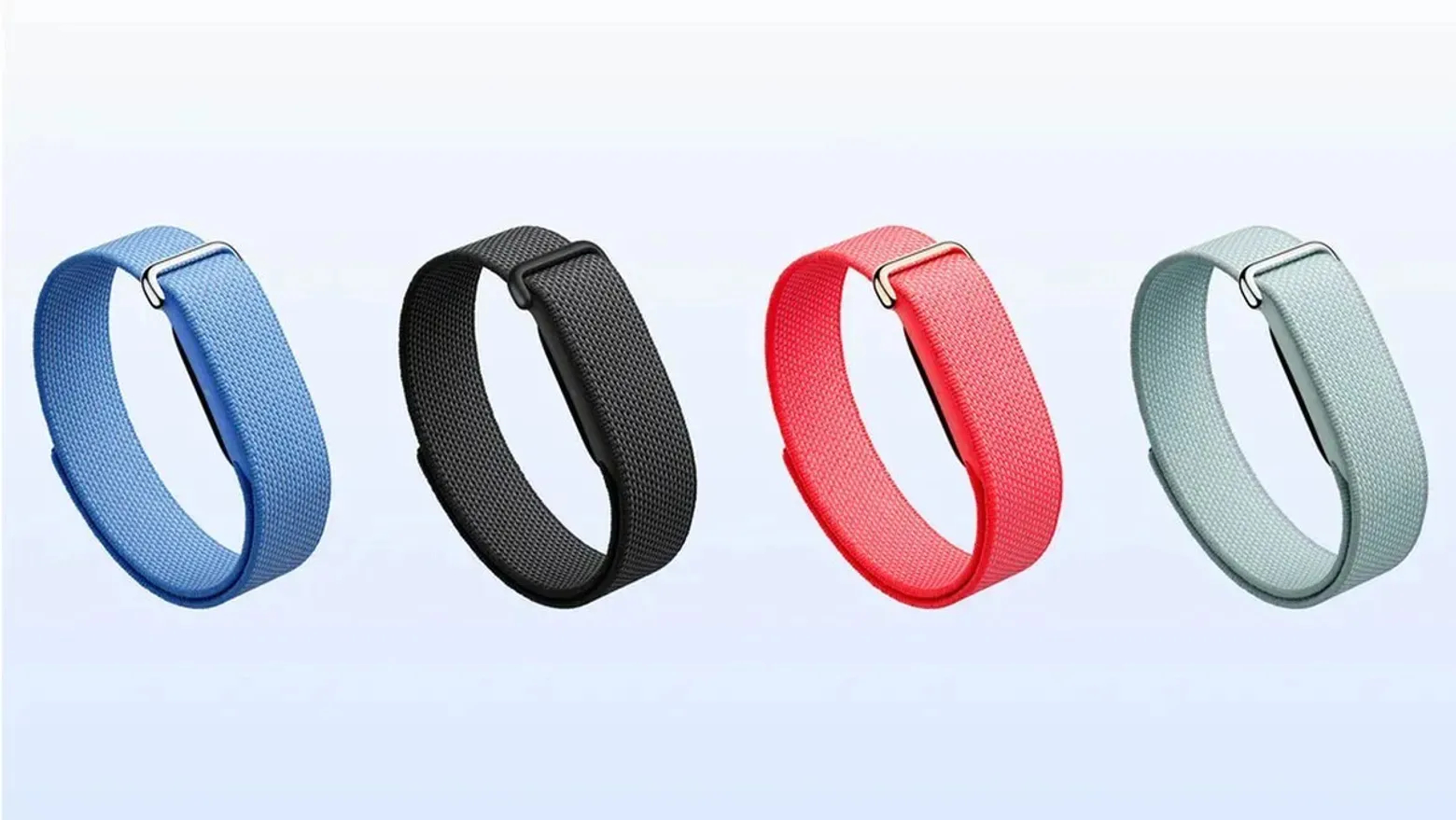
The wearable technology market is witnessing an unexpected shift as screenless fitness trackers experience a dramatic resurgence in consumer interest. According to recent market data, sales of these minimalist health monitoring devices have skyrocketed by an impressive 122%, signaling a growing appetite for simpler, more focused fitness tracking solutions. This remarkable growth comes at a time when smartwatches with increasingly sophisticated displays dominate the conversation, yet consumers appear to be seeking alternatives that prioritize essential health metrics over complex features.
The trend has caught the attention of major technology companies, with reports suggesting that Apple may be developing its own screenless fitness tracker to compete in this rapidly expanding market segment. Such a move would represent a significant strategic pivot for the company, which has built its wearables empire around the feature-rich Apple Watch. Industry analysts believe Apple’s potential entry into this space could legitimize the category further and accelerate adoption among mainstream consumers who find traditional smartwatches overwhelming or unnecessary for their fitness goals.
The Appeal of Simplified Health Monitoring
The resurgence of screenless fitness trackers can be attributed to several converging factors that reflect changing consumer priorities. Many users have grown weary of constant notifications, screen distractions, and the digital fatigue associated with always-connected devices. Screenless trackers offer a refreshing alternative by focusing purely on health metrics such as heart rate monitoring, sleep tracking, step counting, and activity recognition without the temptation of checking messages or social media updates. This return to basics resonates particularly strongly with consumers seeking to establish healthier relationships with technology while still maintaining awareness of their physical wellness.
Battery life represents another compelling advantage of screenless designs. Without power-hungry displays constantly draining energy, these devices can operate for weeks or even months on a single charge, compared to the daily or bi-daily charging requirements of most smartwatches. This extended battery life makes them ideal for continuous health monitoring, including comprehensive sleep tracking without interruption. For fitness enthusiasts who prioritize data collection over on-wrist interaction, this trade-off proves highly attractive.
Market Dynamics and Industry Response
The explosive 122% growth in screenless tracker sales reflects broader market dynamics that have been developing over the past several years. Companies like Whoop, Oura, and Amazon’s Halo have pioneered this category, demonstrating that consumers will embrace devices that deliver actionable health insights through companion smartphone applications rather than on-device screens. These brands have cultivated devoted followings by emphasizing recovery metrics, strain analysis, and personalized health recommendations that go beyond simple step counting. Their success has validated the market potential and attracted the attention of larger technology companies considering market entry.
The potential involvement of Apple in the screenless tracker segment would mark a notable evolution in the company’s wearables strategy. Apple has historically focused on premium, feature-rich devices, but the company has also demonstrated willingness to expand into adjacent categories when market opportunities emerge. A screenless Apple fitness tracker could serve as an entry-level product that introduces new customers to the Apple ecosystem, potentially creating a pathway to eventual Apple Watch adoption. Such a device might also appeal to existing Apple customers seeking a more discreet or specialized fitness monitoring solution for specific activities like sleep tracking or intensive athletic training.
Future Implications for Wearable Technology
The growing popularity of screenless fitness trackers suggests that the wearable technology market is maturing and diversifying to accommodate varying consumer needs and preferences. Rather than a one-size-fits-all approach dominated by complex smartwatches, the industry appears to be evolving toward a more segmented landscape where different device types serve different purposes and user profiles. This diversification benefits consumers by expanding choice while challenging manufacturers to innovate across multiple product categories simultaneously. As health consciousness continues to rise globally and technology fatigue becomes increasingly prevalent, the demand for focused, unobtrusive fitness monitoring solutions is likely to continue its upward trajectory in the coming years.
Expert Opinion: The 122% surge in screenless tracker sales represents more than a temporary trend—it signals a fundamental shift in how consumers approach personal health technology. As digital wellness becomes increasingly important, we expect screenless devices to capture 15-20% of the overall fitness wearables market by 2026, particularly as major players like Apple potentially enter the space and bring mainstream credibility to the category.