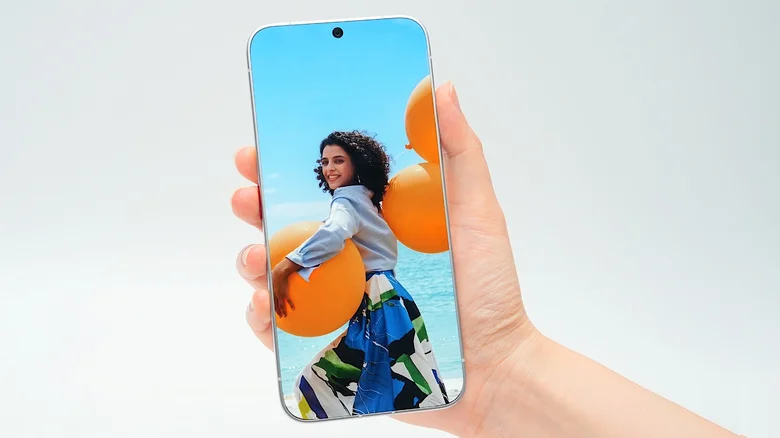
The upcoming Google Pixel 11 Pro XL has been subjected to a comprehensive durability examination, and the results are impressive. In a series of rigorous tests designed to push the device to its limits, the flagship smartphone demonstrated remarkable structural integrity, particularly when it came to bend resistance. The testing regimen included scratch tests, flame exposure, and the infamous bend test that has spelled doom for many smartphones in the past. For consumers who prioritize device durability alongside cutting-edge features, these results provide encouraging evidence that Google has invested significantly in the physical robustness of its latest flagship offering.
Comprehensive Testing Methodology Reveals Strong Build Quality
The durability assessment followed the standardized methodology popularized by technology reviewers and durability testers worldwide. The scratch test, which typically uses the Mohs scale of mineral hardness, evaluates how well the display glass resists damage from everyday objects like keys, coins, and sand particles. Modern flagship smartphones generally begin showing scratches at level 6 or 7 on this scale, indicating the use of hardened glass such as Corning’s Gorilla Glass or similar protective materials. The Pixel 11 Pro XL reportedly performed within expected parameters for a premium device, suggesting Google has equipped it with industry-standard protective glass technology that should withstand normal daily use without significant visible damage.
The flame test, while perhaps less relevant to everyday usage scenarios, demonstrates how the display reacts to extreme heat exposure. This test matters because it reveals the quality of the OLED or AMOLED panel beneath the glass, showing how quickly pixels recover after heat exposure and whether permanent damage occurs. Devices with higher-quality displays typically show temporary pixel discoloration that recovers within seconds, while lower-quality panels may suffer permanent burn-in or damage. The Pixel 11 Pro XL’s performance in this regard speaks to Google’s continued commitment to using premium display components in its flagship lineup.
Bend Test Results Showcase Structural Engineering Excellence
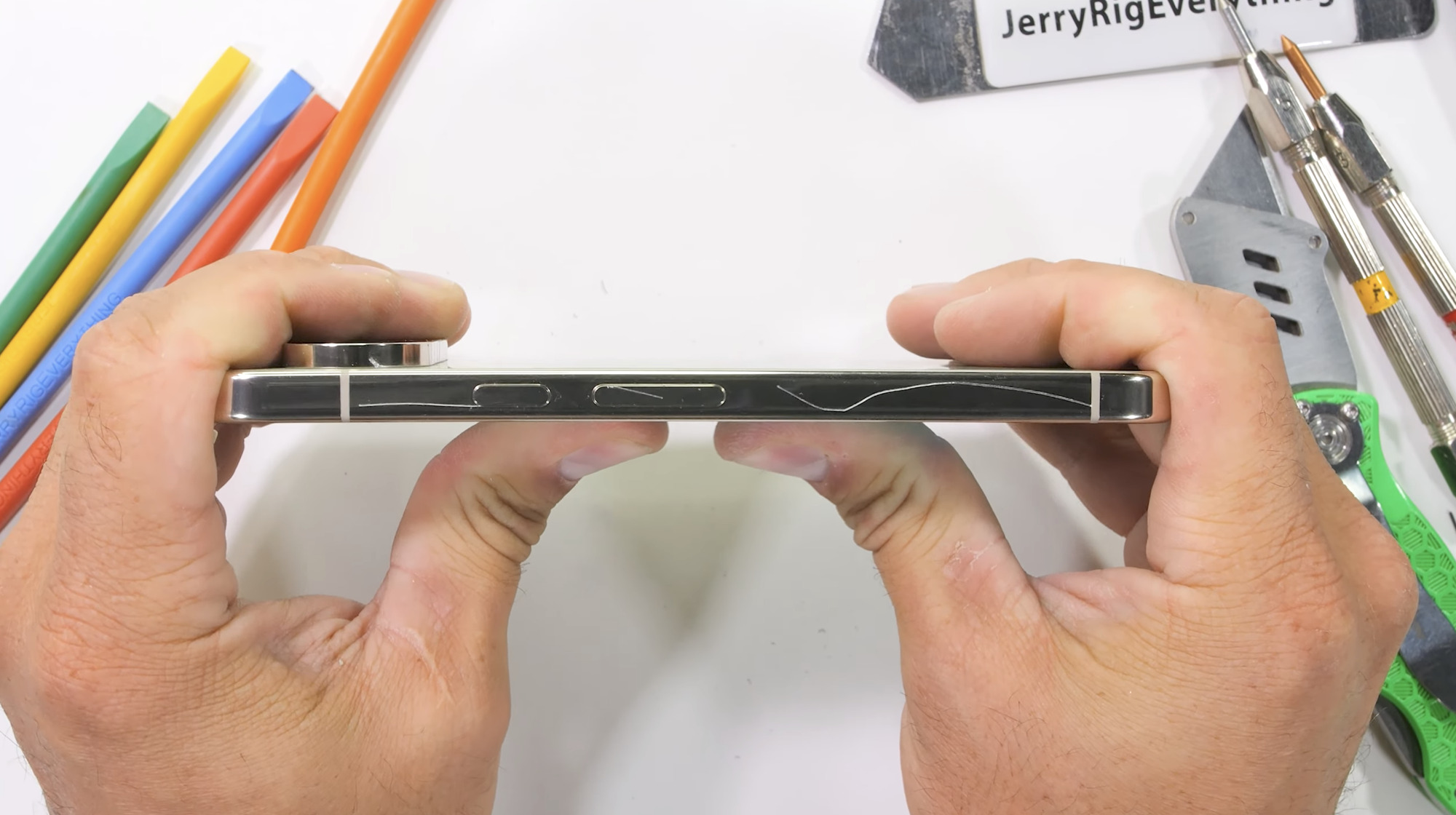
Perhaps the most significant finding from the durability examination was the Pixel 11 Pro XL’s exceptional performance in the bend test. This assessment has gained particular importance in the smartphone industry following several high-profile failures, most notably the iPhone 6 Plus “Bendgate” controversy in 2014, which demonstrated that even premium devices from major manufacturers could suffer from structural weaknesses. The bend test applies pressure to both the front and back of the device to simulate the stress a smartphone might experience when placed in a back pocket and sat upon, or when subjected to other bending forces during daily use.
The Pixel 11 Pro XL showed virtually no flex during the bend test, indicating that Google has engineered a robust internal frame structure, likely utilizing aerospace-grade aluminum alloys or similar high-strength materials. This rigidity is crucial not only for preventing permanent deformation but also for protecting the delicate internal components, including the battery, motherboard, and display connections, from damage caused by flexing. The strong performance suggests Google has learned from industry-wide lessons about smartphone durability and has prioritized structural integrity in the Pixel 11 Pro XL’s design, potentially incorporating reinforced areas around common stress points.
What This Means for Consumers and the Premium Smartphone Market
Durability has become an increasingly important factor in consumer purchasing decisions as smartphone prices continue to climb into the thousand-dollar range and beyond. When investing such significant sums in a mobile device, buyers rightfully expect their purchases to withstand the rigors of daily use without requiring immediate protective cases or careful handling. Google’s apparent success in engineering a more durable Pixel 11 Pro XL positions the device competitively against rivals from Apple, Samsung, and other premium manufacturers who have also been improving the physical resilience of their flagship offerings. The smartphone industry has collectively moved toward better durability standards, with water and dust resistance now standard on premium devices, and structural integrity receiving greater attention than in previous generations.
As the official release of the Pixel 11 Pro XL approaches, these early durability indications provide potential buyers with valuable information for their purchasing decisions. While no smartphone is truly indestructible, evidence of strong performance in standardized durability tests suggests that Google has delivered a device built to last. Combined with the expected improvements in camera technology, processing power, and artificial intelligence capabilities that have defined the Pixel line, the enhanced durability of the Pixel 11 Pro XL represents a well-rounded flagship smartphone that addresses both performance and longevity concerns.
Expert Opinion: The exceptional bend test performance of the Pixel 11 Pro XL signals a broader industry trend toward prioritizing structural engineering in flagship devices. As smartphone innovation plateaus in some areas, manufacturers are increasingly differentiating through build quality and longevity. Google’s investment in durability could prove strategically important as consumers hold onto devices longer and demand better value from premium purchases.