
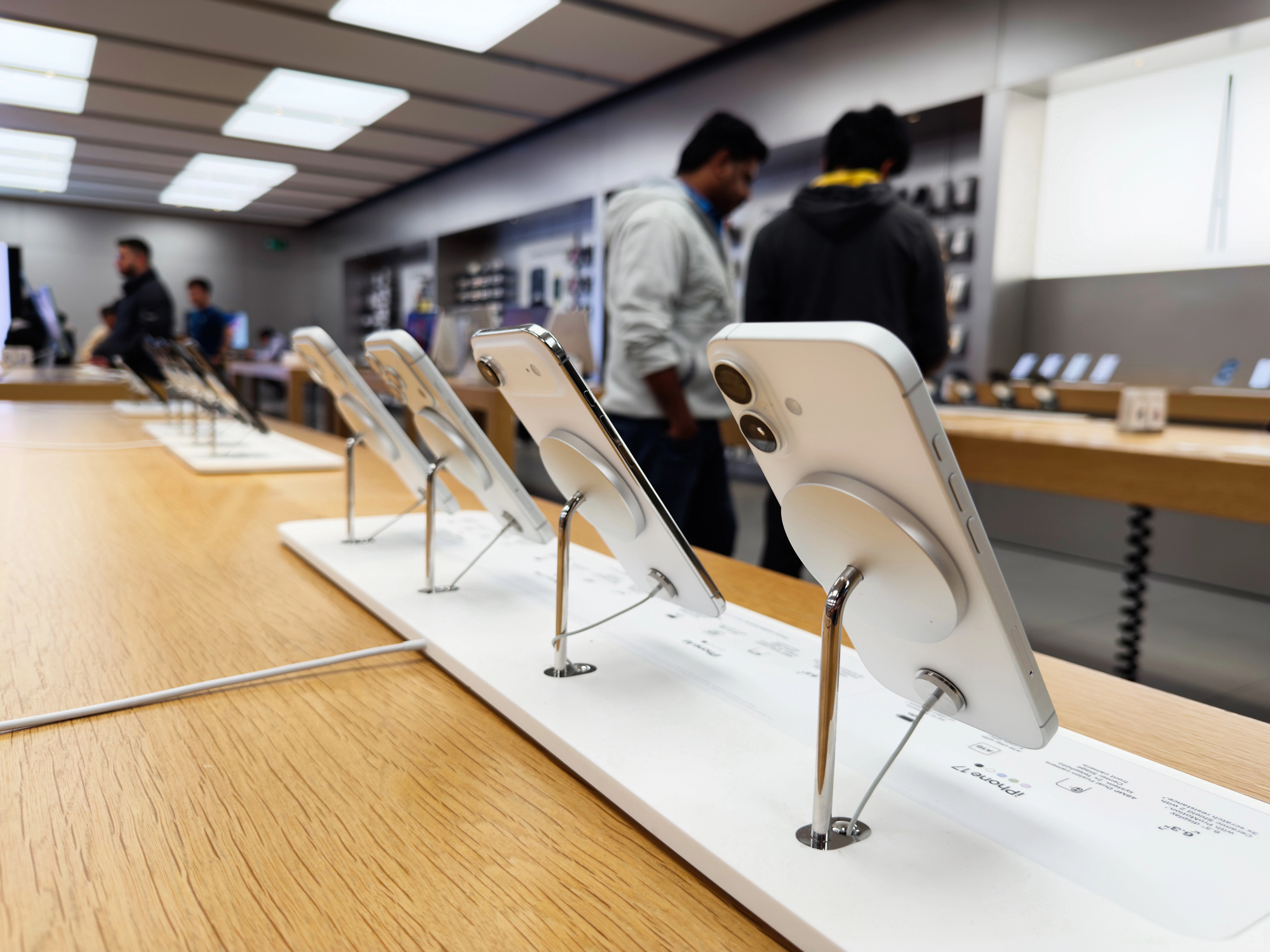
Apple’s upcoming iPhone 17 base model has achieved remarkable results in independent camera testing, positioning itself alongside premium flagship devices from Samsung and Oppo in the prestigious DxOMark rankings. This development signals a significant shift in Apple’s strategy, as the company appears to be closing the gap between its standard and Pro-tier devices when it comes to photography capabilities. The news has generated considerable excitement among smartphone enthusiasts and industry analysts who have long noted the camera disparity between Apple’s entry-level and premium offerings.
DxOMark Testing Reveals Impressive Results
DxOMark, the French company renowned for its rigorous and standardized camera testing methodology, has been evaluating smartphone cameras since 2012. Their comprehensive testing protocol examines hundreds of images and videos across various lighting conditions, scenarios, and use cases. The fact that the base iPhone 17 has achieved scores comparable to flagship devices from Samsung and Oppo represents a notable achievement for Apple’s engineering team. This benchmark success suggests that Apple has invested significantly in improving the camera hardware and computational photography algorithms in its standard model lineup.
Historically, Apple has reserved its most advanced camera features and hardware for the Pro and Pro Max variants of its iPhone lineup. The standard models typically received capable but less sophisticated camera systems, creating a clear distinction between the product tiers. However, with the iPhone 17, Apple appears to be democratizing its camera technology, bringing flagship-level performance to a broader audience at a more accessible price point.
Competitive Landscape and Industry Implications
Samsung and Oppo have consistently dominated smartphone camera rankings in recent years, with their flagship devices featuring cutting-edge sensor technology, advanced optical zoom capabilities, and sophisticated image processing. Samsung’s Galaxy S series and Oppo’s Find X lineup have set industry benchmarks for mobile photography. The iPhone 17’s ability to match these devices in standardized testing indicates that the smartphone camera wars are entering a new phase of intense competition. This development could pressure other manufacturers to improve their mid-range and standard offerings as well.
The smartphone camera industry has evolved dramatically since the first iPhone launched in 2007 with a basic 2-megapixel camera. Today’s flagship devices feature multiple lenses, computational photography powered by artificial intelligence, and sensors that can capture stunning images even in challenging low-light conditions. Apple’s investment in custom silicon, including the Neural Engine in its A-series chips, has enabled increasingly sophisticated image processing that can compensate for hardware limitations.
What This Means for Consumers
For consumers, the iPhone 17’s strong camera performance in the base model could represent excellent value. Previously, photography enthusiasts who wanted the best possible iPhone camera experience had to invest in the Pro models, which typically cost several hundred dollars more. If the standard iPhone 17 can deliver comparable results to flagship competitors, it may become an attractive option for users who prioritize photography but don’t require other Pro-exclusive features like ProMotion displays or additional telephoto lenses.
Industry analysts suggest that Apple’s decision to boost camera capabilities in the base model reflects broader market trends. As smartphone hardware reaches maturity, manufacturers are finding it increasingly difficult to differentiate their products. Camera quality remains one of the primary factors influencing purchase decisions, making it a logical area for Apple to focus its improvement efforts. The company’s vertical integration, controlling both hardware and software, gives it unique advantages in optimizing camera performance.
Expert Opinion: The iPhone 17’s camera performance parity with premium Android flagships signals Apple’s strategic pivot toward making flagship photography accessible across its entire lineup. This move could reshape the mid-range smartphone market, forcing competitors to accelerate innovation in their standard models rather than reserving top-tier features exclusively for premium devices. Expect other manufacturers to respond with aggressive camera upgrades in their base models throughout 2025.