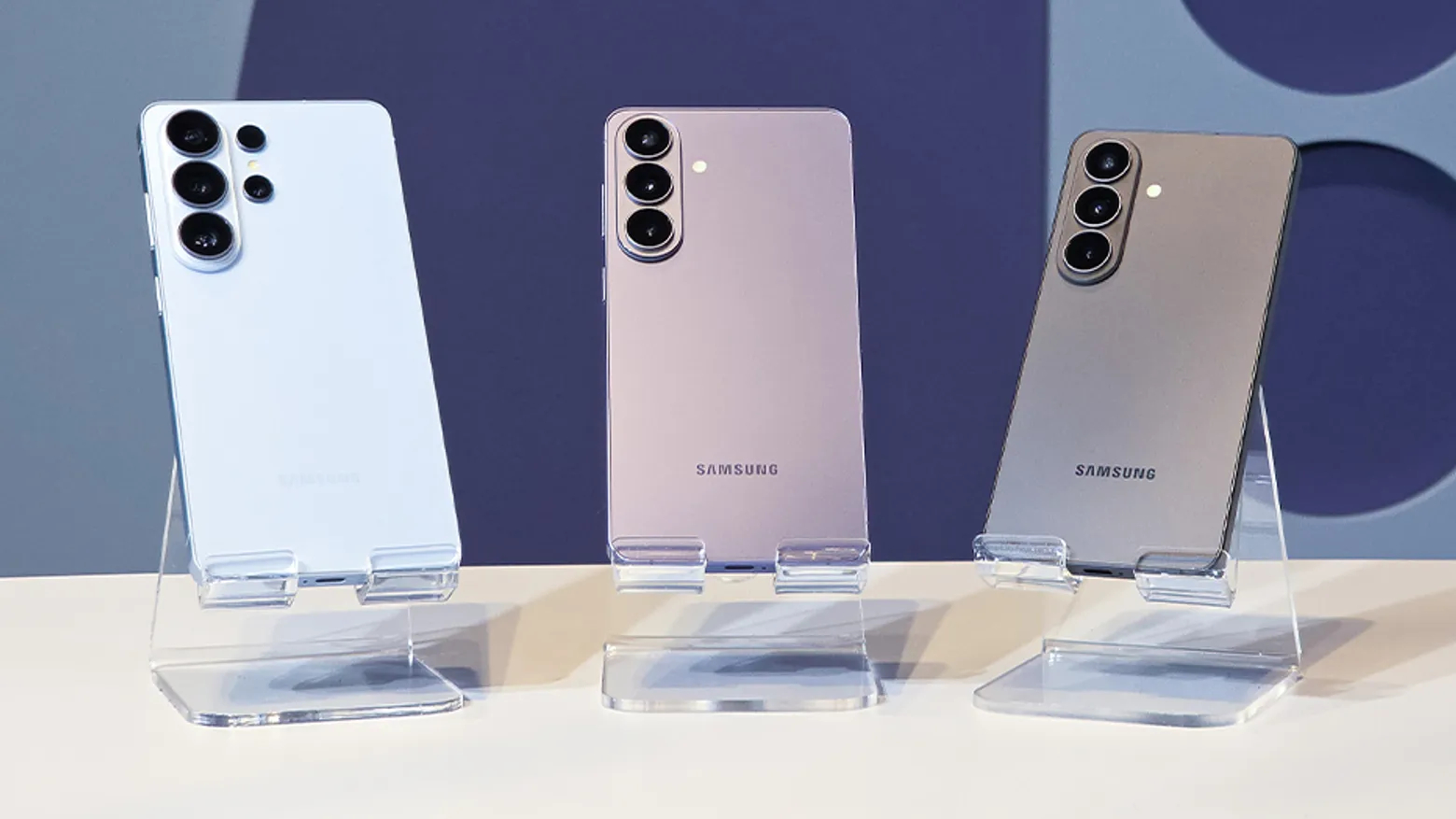
Samsung Electronics has officially confirmed that users of its newly released Galaxy S26 Ultra flagship smartphone are experiencing display-related problems, marking another challenge for the South Korean tech giant in the highly competitive premium smartphone market. The company has acknowledged the issue and announced that a software update is currently being developed to address the concerns, which have been reported by numerous users and observed on demonstration units in retail stores worldwide.
The display anomalies have sparked considerable attention in the tech community, particularly given Samsung’s reputation as one of the world’s leading manufacturers of AMOLED display technology. Reports indicate that the visual artifacts and irregularities were not isolated to individual units but were also visible on devices displayed in official Samsung stores and authorized retail partners, suggesting a more widespread issue that extends beyond manufacturing defects in specific batches.
Understanding the Display Problem
According to user reports and technical analyses shared across social media platforms and technology forums, the display issues manifest in various ways, including color inconsistencies, unusual visual effects under certain lighting conditions, and potential uniformity problems across the screen. These types of issues are particularly concerning for a device positioned in the ultra-premium segment, where consumers expect flawless performance from every component, especially the display that serves as the primary interface for all interactions.
Samsung Display, the subsidiary responsible for manufacturing the panels used in Samsung smartphones, has long been considered an industry leader in OLED technology. The company supplies display panels not only for its own devices but also for competitors including Apple, which uses Samsung-manufactured OLED screens in its iPhone lineup. This makes any widespread display issue particularly noteworthy, as it could potentially affect consumer confidence in Samsung’s display technology more broadly. Industry analysts note that such issues, while not unprecedented in the smartphone industry, require swift and transparent responses from manufacturers to maintain customer trust.
Samsung’s Response and Historical Context
Samsung’s decision to address the issue through a software update suggests that the problem may be related to display calibration, color management algorithms, or power delivery settings rather than fundamental hardware defects. This approach has precedent in the industry, as many display-related issues can be mitigated through software adjustments that modify how the panel operates under various conditions. However, some tech experts have expressed skepticism about whether a software solution can fully resolve what appears to be a hardware-related concern.
This is not the first time Samsung has faced challenges with its flagship Galaxy series. The company famously dealt with the Galaxy Note 7 battery crisis in 2016, which resulted in a complete product recall and significantly impacted the company’s reputation temporarily. More recently, various Galaxy S series devices have experienced software bugs and camera issues at launch, though Samsung has generally been responsive in addressing these problems through updates. The company’s willingness to publicly acknowledge the S26 Ultra display issue represents a more transparent approach than some competitors have taken when facing similar challenges.
Consumer Impact and Market Implications
For consumers who have already purchased the Galaxy S26 Ultra, Samsung’s acknowledgment provides some reassurance that a fix is forthcoming. However, the timeline for the software update remains unclear, leaving users in a state of uncertainty about when they can expect their devices to perform as advertised. Some retail partners have reportedly begun offering extended return windows or exchange options for affected customers, though official policies vary by region and retailer.
The smartphone market continues to be fiercely competitive, with Samsung facing pressure from Apple’s iPhone series, Google’s Pixel lineup, and emerging Chinese manufacturers who offer compelling flagship experiences at lower price points. Display quality has become a key differentiating factor in this competition, making Samsung’s swift resolution of the S26 Ultra issues critical for maintaining its market position. Industry observers will be watching closely to see how effectively the promised software update addresses the reported problems and whether additional measures prove necessary.
Expert Opinion: This incident underscores the increasing complexity of modern smartphone displays and the delicate balance between pushing technological boundaries and ensuring reliability. While Samsung’s transparent acknowledgment is commendable, the company must deliver a comprehensive fix quickly to prevent lasting damage to the Galaxy brand’s premium positioning. The coming weeks will be crucial in determining whether this remains a minor launch hiccup or evolves into a more significant reputation challenge.