
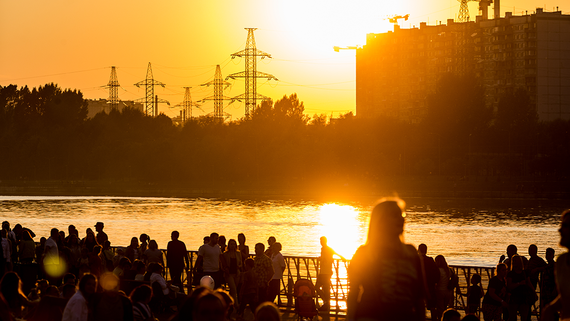
Residents across several regions of Russia reported significant disruptions to internet services and electrical power supply, causing widespread concern and frustration among users who found themselves suddenly disconnected from essential online resources. The complaints, which flooded social media platforms and monitoring services, indicated that the problems were not isolated to a single area but rather affected a substantial geographic footprint within the country. Users reported difficulties accessing popular websites, messaging applications, and various government services that have become integral to daily life in the digital age.
The scale of the disruption prompted immediate speculation about the underlying causes, with theories ranging from technical failures in critical infrastructure to potential cyberattacks targeting Russian networks. Monitoring services that track internet connectivity recorded substantial spikes in outage reports, with some regions experiencing near-complete loss of connectivity for extended periods. The simultaneous occurrence of power outages in some affected areas added another layer of complexity to the situation, suggesting possible interconnected infrastructure vulnerabilities.
Technical Infrastructure Under Strain
Russia’s internet infrastructure, often referred to as Runet, has undergone significant development and transformation in recent years as the government has pursued policies aimed at creating a more sovereign and controllable digital space. The country has invested heavily in developing domestic routing capabilities and has conducted tests of its ability to disconnect from the global internet while maintaining internal connectivity. However, these same infrastructure changes have raised questions about resilience and potential single points of failure that could affect large numbers of users simultaneously.
The electrical grid issues that accompanied the internet disruptions highlight the interdependence of modern infrastructure systems. Data centers, network routing equipment, and telecommunications towers all require stable power supplies to function properly, and cascading failures can occur when one system experiences problems. Russian energy infrastructure has faced various challenges in recent years, including aging equipment in some regions and the strain of maintaining service across the world’s largest country by land area. Emergency backup systems at critical facilities may have been activated during the outages, though the full extent of the impact on various services remained unclear as officials worked to assess the situation.
Regional Impact and User Response
The geographic spread of the reported problems suggested that the issues may have originated from central infrastructure components that serve multiple regions rather than localized equipment failures. Users in affected areas turned to whatever communication channels remained available to share information and express frustration with the service interruptions. Many businesses that rely on constant internet connectivity for operations, payment processing, and customer communications found themselves unable to conduct normal activities during the outage periods.
Government agencies and service providers typically respond to such incidents by deploying technical teams to identify and resolve the underlying issues, though the complexity of modern telecommunications networks can make rapid diagnosis challenging. Russian authorities have historically been cautious about releasing detailed information regarding infrastructure vulnerabilities or the specific causes of major outages, citing security concerns. The incident serves as a reminder of society’s growing dependence on digital infrastructure and the potential consequences when these systems experience failures, whether from technical malfunctions, natural causes, or deliberate interference.
Broader Implications for Digital Resilience
Events like these widespread outages underscore the critical importance of infrastructure redundancy and disaster recovery planning in the modern connected world. As governments, businesses, and individuals become increasingly reliant on internet connectivity for everything from banking and commerce to healthcare and emergency services, the stakes associated with major outages continue to rise. The Russian experience reflects challenges faced by many nations as they work to balance the demands of rapid digital transformation with the need for robust, resilient infrastructure capable of withstanding various types of disruptions while maintaining service continuity for their populations.
Expert Opinion: The simultaneous occurrence of internet and power disruptions across multiple Russian regions suggests potential vulnerabilities in interconnected infrastructure systems that warrant serious attention from policymakers. As nations worldwide become increasingly dependent on digital services, investment in redundant systems and rapid-response capabilities becomes essential for national security and economic stability. Future incidents of this nature may become more frequent unless significant resources are dedicated to modernizing aging infrastructure and implementing comprehensive resilience strategies.