
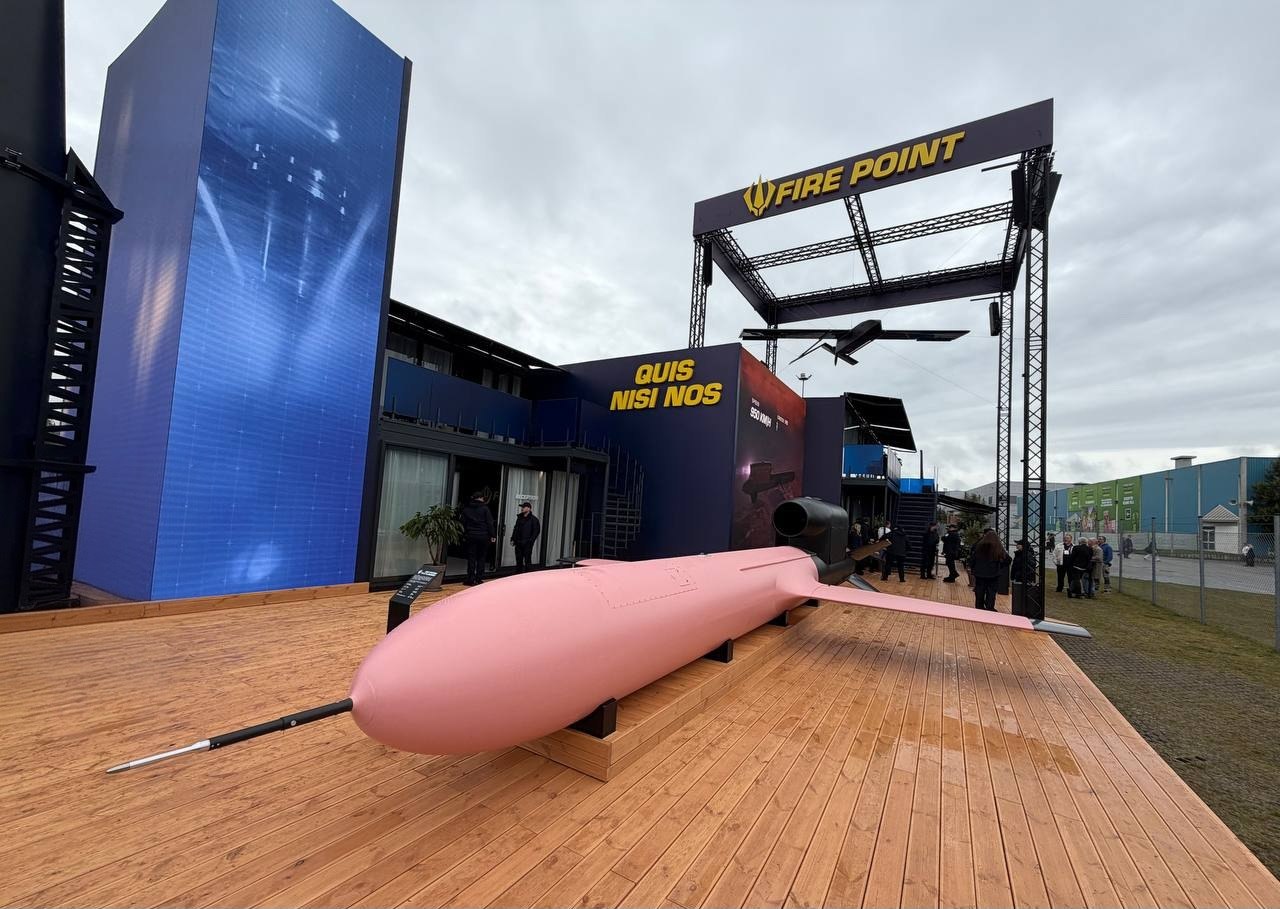
Fire Point, a company specializing in fire safety equipment and solutions, has revealed that the construction costs for its planned manufacturing facility in Denmark have increased threefold from initial estimates. The significant cost escalation highlights the broader challenges facing industrial construction projects across Europe, where inflation, supply chain disruptions, and rising labor costs have dramatically altered the economic landscape for manufacturing investments.
The announcement comes at a time when many European nations are actively seeking to attract manufacturing investments to bolster domestic production capabilities and reduce dependence on foreign suppliers. Denmark, known for its business-friendly environment and strategic location in Northern Europe, has been particularly attractive to companies looking to establish production facilities that can serve both European and global markets.
Rising Construction Costs Across Europe
The tripling of construction costs for the Fire Point facility reflects a pattern seen across the European industrial sector in recent years. Since 2020, construction costs throughout the continent have surged due to multiple converging factors. Building materials such as steel, concrete, and specialized industrial components have seen price increases ranging from 30 to over 100 percent in some categories. Labor shortages in the construction sector have further compounded these challenges, with skilled workers commanding significantly higher wages than in previous years.
Energy costs have also played a substantial role in driving up construction expenses. The energy crisis that affected Europe following geopolitical tensions resulted in dramatically higher electricity and fuel costs, which directly impact construction operations, material production, and transportation logistics. These factors combined have created an environment where large-scale industrial projects frequently exceed their original budgets by significant margins.
Fire Safety Industry Growth and Market Demand
Despite the increased costs, the fire safety equipment market continues to show strong growth potential, which may justify the expanded investment. The global fire safety equipment market has been expanding at a compound annual growth rate of approximately 7-8 percent, driven by stricter building codes, increased awareness of fire safety, and growing urbanization. European regulations have become particularly stringent following several high-profile fire incidents in residential and commercial buildings over the past decade.
Companies like Fire Point are positioning themselves to meet this growing demand by establishing production facilities closer to their primary markets. Manufacturing within the European Union offers advantages including reduced shipping costs, faster delivery times, and compliance with strict EU environmental and safety standards. The Danish location specifically provides excellent access to Scandinavian markets while maintaining efficient logistics connections to Central and Western Europe through Denmark’s well-developed transportation infrastructure.
Strategic Implications and Future Outlook
Industry analysts suggest that despite the cost overruns, investments in European manufacturing capacity remain strategically important for companies in the fire safety sector. The emphasis on reshoring production and building supply chain resilience has become a priority for many businesses following the disruptions experienced during the global pandemic. Companies that establish strong manufacturing presence in stable markets like Denmark may benefit from competitive advantages in the long term, even if initial construction costs exceed projections.
The Danish government has maintained various incentive programs to attract industrial investments, including tax benefits and infrastructure support, which may help offset some of the increased construction costs. Denmark’s reputation for renewable energy and sustainable industrial practices also aligns with growing customer expectations for environmentally responsible manufacturing. As Fire Point moves forward with its revised cost projections, the company’s experience will serve as an important case study for other manufacturers considering similar European expansion projects in the current economic climate.
Expert Opinion: The tripling of construction costs for Fire Point’s Danish facility is emblematic of the new reality facing European industrial development, where pre-pandemic cost estimates have become largely obsolete. Companies must now factor in structural inflation and ongoing supply chain volatility when planning manufacturing investments. However, firms that successfully navigate these challenges and establish European production capacity are likely to capture significant market share as regulatory requirements continue to tighten across the fire safety sector.