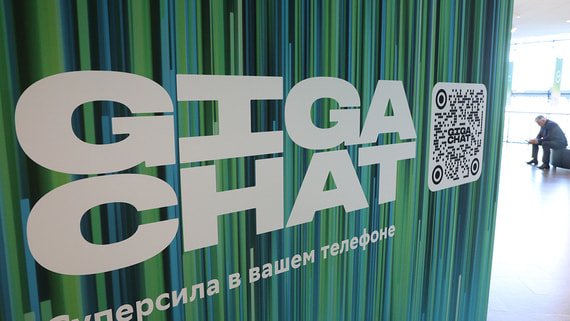

As artificial intelligence systems become increasingly integrated into daily life, governments around the world are recognizing a new frontier in the battle for cultural influence: the values and perspectives embedded within AI models. Russia, along with several other nations, has begun actively working to ensure that domestically developed AI systems reflect their cultural heritage, historical narratives, and national worldviews. This emerging trend represents a significant shift in how countries approach technological sovereignty, moving beyond concerns about data security and economic competitiveness to focus on the very cultural DNA of intelligent machines.
The concept of ‘cultural programming’ in AI refers to the deliberate effort to train artificial intelligence systems using datasets, parameters, and guidelines that reflect specific national or cultural perspectives. Unlike neutral technical specifications, these cultural elements influence how AI systems interpret history, respond to sensitive political questions, and even structure their communication styles. Russian technology officials and researchers have increasingly emphasized the importance of developing AI that understands and reflects Russian cultural values, literature, and historical interpretations rather than relying on Western-developed models that may carry implicit biases toward different worldviews.
The Global Race for AI Cultural Sovereignty
Russia is far from alone in pursuing culturally-aligned artificial intelligence. China has been at the forefront of this movement, requiring domestic AI systems to adhere to ‘socialist core values’ and ensuring that chatbots and other AI tools provide responses consistent with Communist Party positions on sensitive historical and political topics. The Chinese government has implemented strict regulations requiring AI companies to ensure their products promote national unity and do not undermine state authority. Similarly, countries across the Middle East, including Saudi Arabia and the United Arab Emirates, have invested heavily in developing AI systems that respect Islamic values and Arabic linguistic nuances that Western models often fail to capture adequately.
European nations have also entered this space, though with different priorities. France has championed the development of French-language AI models that preserve the linguistic heritage and cultural references unique to Francophone societies. Germany has focused on ensuring AI systems comply with strict privacy standards and ethical guidelines rooted in European philosophical traditions. These efforts reflect a growing recognition that AI systems trained primarily on English-language data from American and British sources may inadvertently promote cultural perspectives that do not resonate with or may even contradict local values and traditions.
Technical Challenges and Ethical Considerations
The technical process of embedding cultural values into AI systems presents significant challenges. Large language models learn from vast datasets of text and other content, absorbing patterns that reflect the cultural contexts in which that content was created. To create a culturally-specific AI, developers must carefully curate training data, potentially filtering out foreign influences while amplifying domestic sources. Russian developers have reportedly been working to train AI models on extensive collections of Russian literature, historical documents, and media content to ensure these systems possess deep familiarity with Russian cultural references and communication styles.
However, this approach raises important ethical questions about information control and the potential for AI systems to become tools of propaganda or cultural manipulation. Critics argue that culturally-programmed AI could reinforce government narratives, limit access to diverse perspectives, and create information bubbles that deepen international misunderstandings. Supporters counter that all AI systems inherently reflect the cultural biases of their creators, and that explicit cultural programming simply makes these influences transparent rather than allowing hidden Western biases to dominate global AI development.
Implications for the Future of Global AI Development
The emergence of culturally-distinct AI systems could fundamentally reshape the global technology landscape. Rather than a single dominant AI paradigm, the world may see the development of parallel AI ecosystems reflecting different cultural and political values. This fragmentation could complicate international cooperation on AI safety and governance while simultaneously preserving cultural diversity in an increasingly digital world. For ordinary users, the choice of AI assistant may become not just a technical preference but a cultural and political statement about which worldview they wish to engage with in their daily digital interactions.
As nations continue to invest in culturally-aligned AI development, the technology sector faces growing pressure to balance global interoperability with local cultural sensitivity. The outcome of this competition will likely shape not only the future of artificial intelligence but also the broader dynamics of cultural influence in the twenty-first century.
Expert Opinion: The trend toward culturally-programmed AI represents a fundamental shift in how nations conceptualize digital sovereignty. As AI systems increasingly mediate human access to information and shape decision-making processes, controlling the cultural assumptions embedded in these systems becomes as strategically important as controlling traditional media. We should expect this competition to intensify, potentially leading to a multipolar AI landscape where regional powers maintain distinct technological ecosystems reflecting their values and interests.