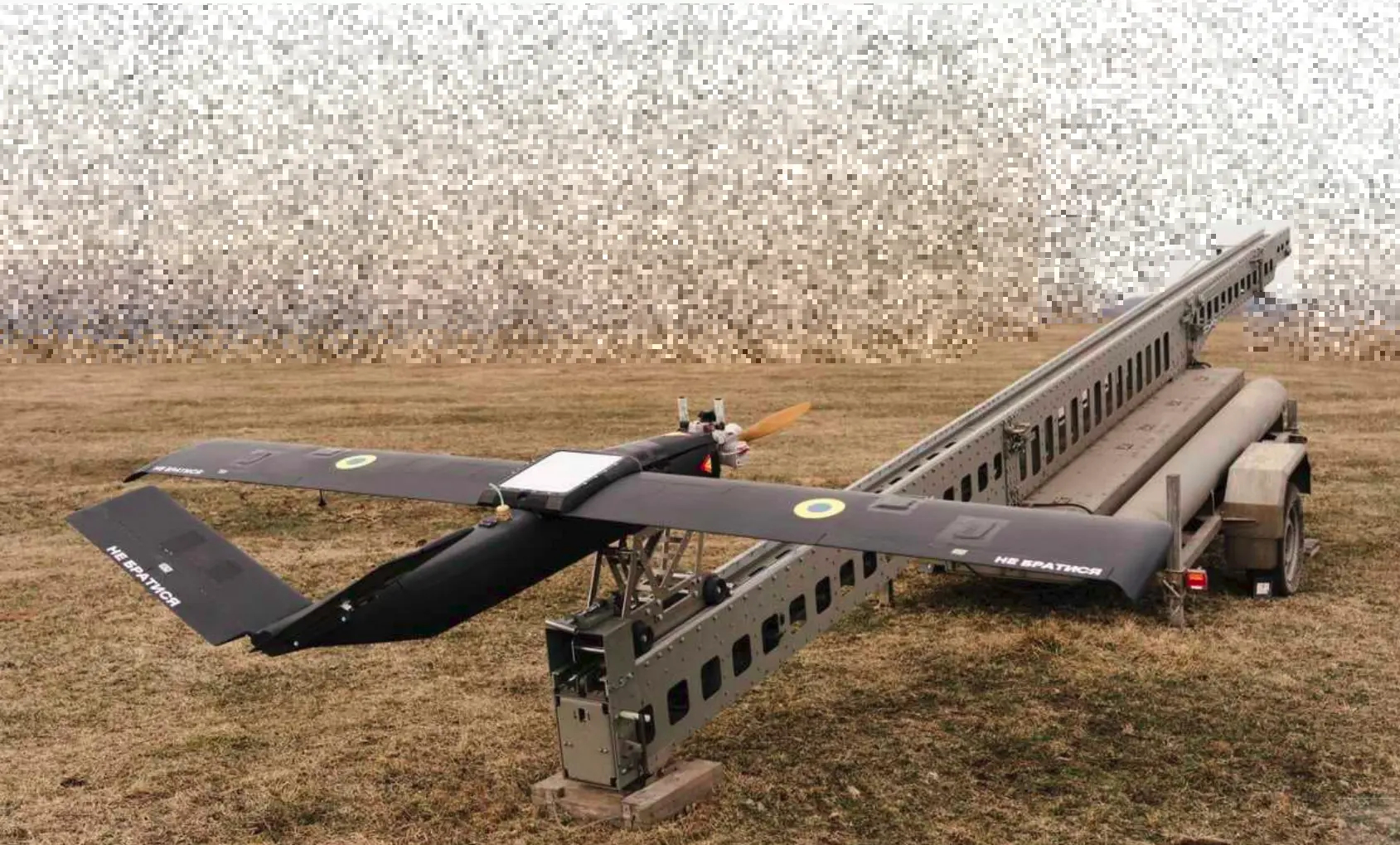
Ukraine’s defense industry continues to demonstrate remarkable innovation amid the ongoing conflict, with the latest announcement that the domestically produced TRX drone has achieved an impressive operational range of up to 450 kilometers. This significant technological milestone positions the unmanned aerial vehicle as a formidable long-range strike capability, with military officials indicating that combat deployment of the attack variant is expected in the near future. The development represents another step forward in Ukraine’s ambitious program to develop indigenous drone technology capable of striking deep behind enemy lines.
Technical Specifications and Development History
The TRX drone platform has undergone extensive development and testing phases since its inception, with Ukrainian engineers working to maximize both its range and payload capacity. The 450-kilometer range represents a substantial improvement over earlier iterations and places the system among the more capable strike drones currently in production. This extended range allows operators to launch missions from positions well behind the front lines, reducing vulnerability to counter-battery fire and enemy air defenses. The drone’s design reportedly incorporates both commercial off-the-shelf components and purpose-built military hardware, reflecting the hybrid approach that Ukrainian manufacturers have adopted to accelerate production timelines while maintaining combat effectiveness.
Ukrainian drone development has accelerated dramatically since the full-scale invasion began in February 2022, with both government-backed programs and private sector initiatives contributing to a rapidly expanding arsenal of unmanned systems. The country has become a global leader in combat drone innovation, developing solutions ranging from small first-person-view quadcopters for tactical engagements to long-range systems capable of strategic strikes. Industry experts estimate that Ukraine now produces tens of thousands of drones monthly across various categories, representing one of the most significant military-industrial mobilizations in recent history.
Strategic Implications for the Conflict
The introduction of a 450-kilometer range strike drone significantly expands Ukraine’s ability to conduct deep interdiction missions against Russian military infrastructure, logistics hubs, and command centers. Such range capabilities mean that targets in Crimea, the Russian border regions, and even areas deeper into Russian territory could potentially come within reach of Ukrainian strike operations. Military analysts note that long-range drone capabilities serve multiple strategic purposes: they force adversaries to disperse and protect rear-area assets, complicate logistics operations, and impose psychological pressure on military and civilian populations far from the front lines.
The timing of this announcement comes as both sides in the conflict continue to invest heavily in drone warfare capabilities. Russia has responded to Ukrainian drone successes by enhancing its electronic warfare systems and air defense networks, creating an ongoing technological competition between offensive and defensive capabilities. Ukrainian forces have demonstrated creativity in overcoming these challenges, employing swarm tactics, varied approach vectors, and continuous technical improvements to maintain operational effectiveness. The conflict has essentially become the world’s largest laboratory for unmanned aerial combat systems, generating lessons that military planners worldwide are studying intensively.
Future Outlook and Production Capacity
Looking ahead, Ukrainian defense officials have emphasized plans to scale up domestic drone production significantly throughout the coming year. The government has allocated substantial resources to expand manufacturing capacity and streamline supply chains for critical components. International partners have also contributed to these efforts, providing both technical assistance and funding for drone development programs. The TRX and similar long-range systems represent just one element of a comprehensive unmanned warfare strategy that spans reconnaissance, strike, electronic warfare, and maritime operations. As production ramps up and combat experience informs further refinements, these systems are expected to play an increasingly prominent role in shaping the trajectory of the conflict and potentially influencing the design of military drone programs globally.
Expert Opinion: The achievement of 450-kilometer range for the TRX drone marks a significant evolution in Ukraine’s asymmetric warfare capabilities, effectively turning deep strike operations into a routine rather than exceptional occurrence. This development will likely accelerate the trend toward dispersed logistics and hardened infrastructure throughout the conflict zone, fundamentally changing how both sides approach rear-area security and resource distribution in modern conventional warfare.