Apple has allegedly suspended development of an ambitious all-glass iPhone that was intended to commemorate the device’s 20th anniversary in 2027. According to recent reports, the revolutionary smartphone was designed to be the first iPhone without visible bezels, representing a dramatic departure from the company’s current design language. The decision to halt the project comes as Apple faces mounting challenges in achieving the technical requirements necessary to bring such an innovative device to market.
The all-glass concept would have marked one of the most significant redesigns in iPhone history, potentially featuring a seamless glass enclosure that wrapped around the entire device. Industry insiders suggest that Apple engineers were working to eliminate the visible frame elements that have characterized every iPhone model since the original device launched in 2007. This design philosophy aligns with Apple’s long-standing pursuit of minimalist aesthetics, but the technical hurdles have proven more formidable than initially anticipated.
Technical Challenges Behind the Development Freeze
Creating a truly bezel-less, all-glass smartphone presents extraordinary engineering challenges that push the boundaries of current manufacturing capabilities. The structural integrity of such a device requires glass materials with unprecedented durability and flexibility, as the enclosure must protect sensitive internal components while maintaining the thin profile consumers expect. Apple reportedly struggled with heat dissipation issues, as glass conducts thermal energy differently than the aluminum and titanium frames used in current models. Additionally, antenna placement becomes significantly more complex when traditional frame elements are removed, potentially impacting cellular and wireless connectivity performance.
The display technology required for a seamless glass design also demands innovations in under-display sensors, including Face ID components, cameras, and ambient light sensors. While Apple has made progress with Dynamic Island and smaller notch designs, completely hiding these elements while maintaining their functionality represents a substantial technological leap. Manufacturing yields for such precision glass components would likely be low initially, driving up production costs and potentially limiting supply at launch.
Historical Context and Anniversary Significance
The iPhone’s 20th anniversary in 2027 holds tremendous symbolic importance for Apple, as the original device fundamentally transformed the mobile phone industry and established Apple as a dominant force in consumer electronics. When Steve Jobs unveiled the first iPhone on January 9, 2007, he described it as a revolutionary product that combined a widescreen iPod, a mobile phone, and an internet communications device. The subsequent two decades have seen Apple sell over two billion iPhones, making it the most successful consumer electronics product in history and the primary driver of Apple’s transformation into the world’s most valuable company.
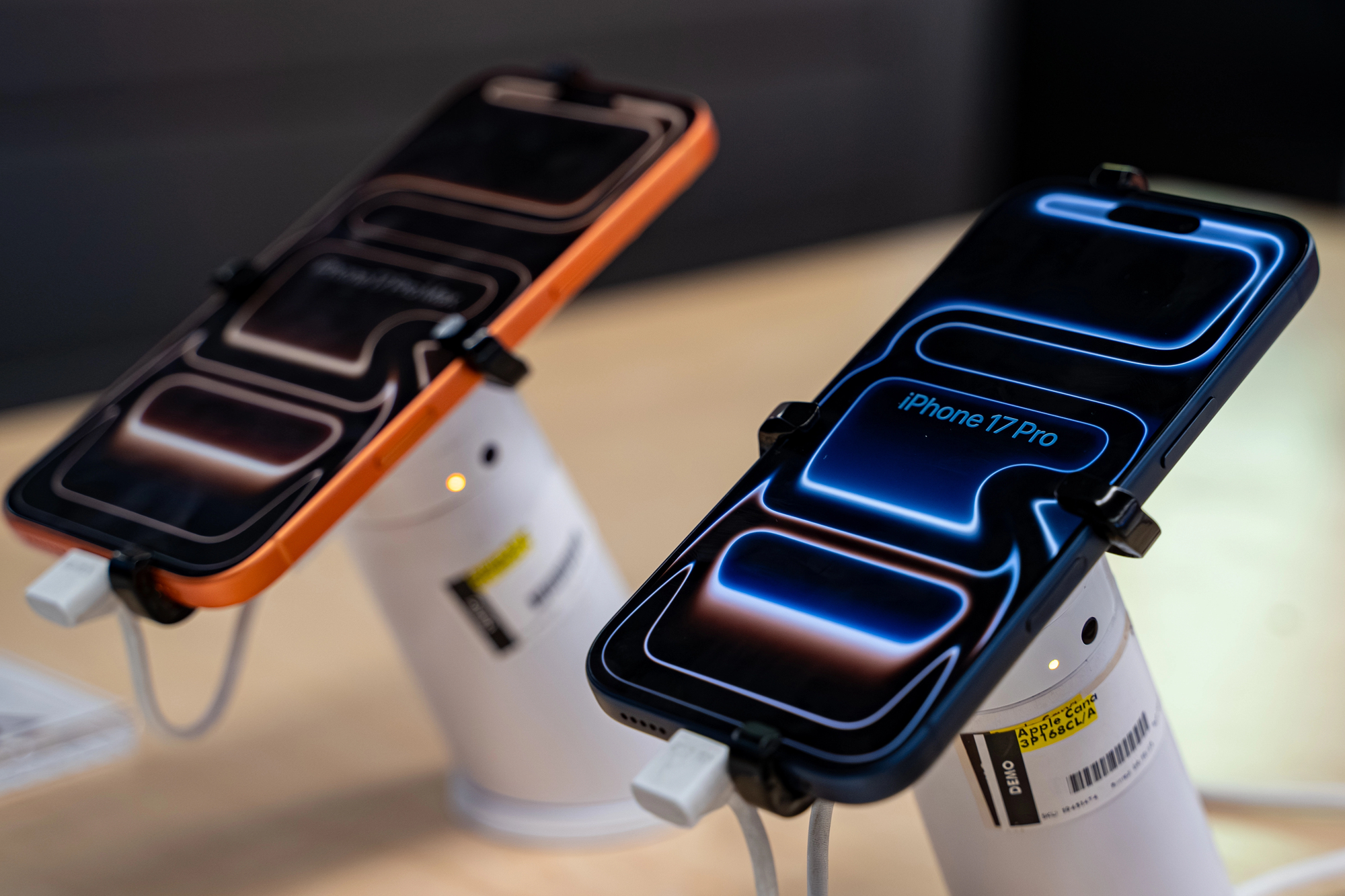
Apple has historically marked significant iPhone anniversaries with notable releases. The iPhone X, launched in 2017 for the device’s 10th anniversary, introduced Face ID and eliminated the home button, representing the most substantial design change since the original model. The company clearly hoped to achieve a similar milestone with the 20th anniversary device, making the reported development pause particularly significant for Apple’s long-term product roadmap.
Industry Competition and Future Outlook
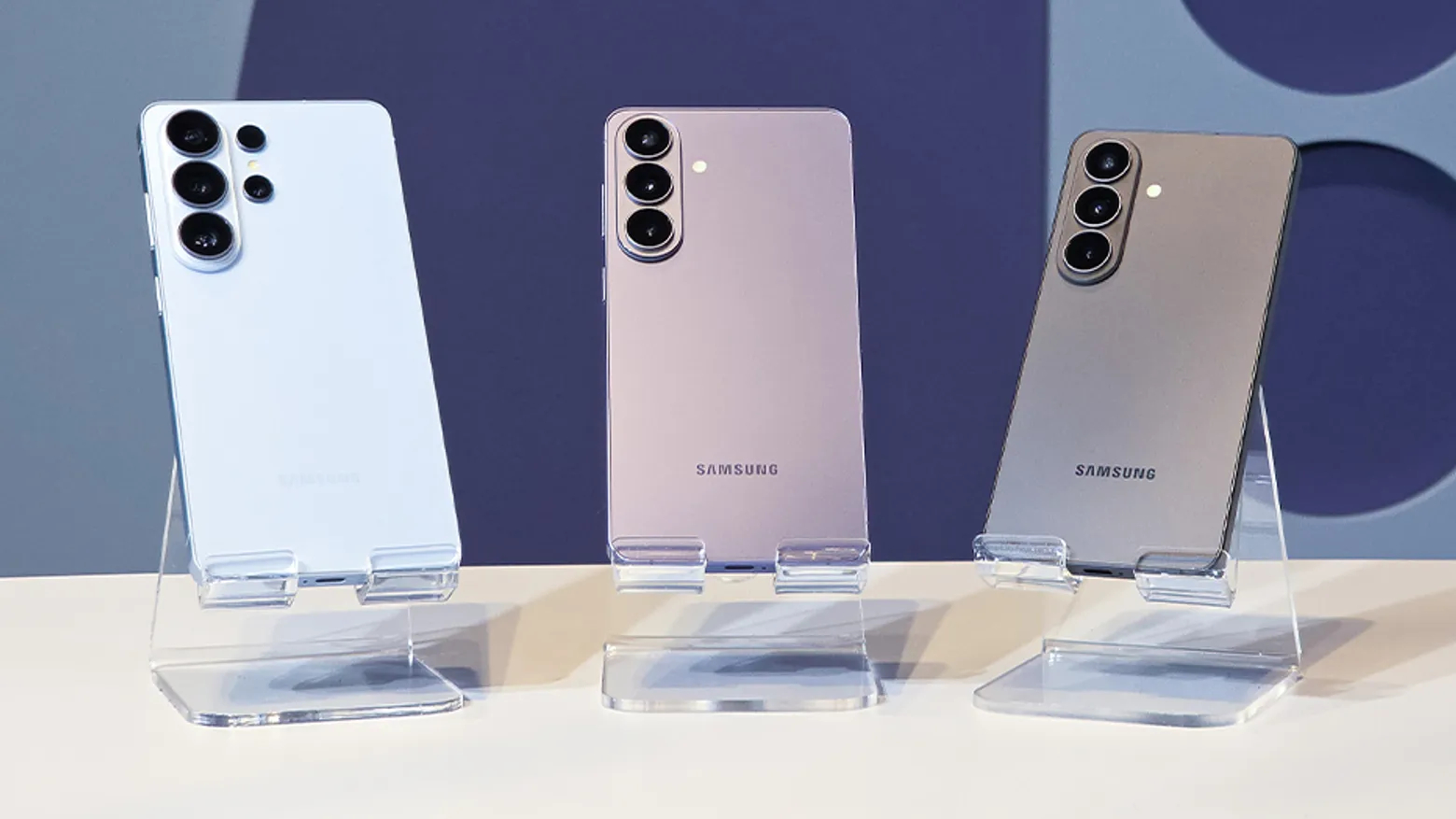
The suspension of this ambitious project comes as Apple faces increasing competition in the premium smartphone market from Samsung, Google, and Chinese manufacturers who continue to push design boundaries. Samsung has experimented with flexible displays through its Galaxy Fold series, while other manufacturers have achieved impressively thin bezels and innovative form factors. Apple’s decision to pause rather than rush an imperfect product to market reflects the company’s traditional approach of prioritizing user experience over being first to market with new technologies.
Industry analysts suggest that Apple may revisit the all-glass concept once manufacturing technologies mature sufficiently to meet the company’s exacting standards. The project’s suspension does not necessarily mean permanent cancellation, as Apple frequently develops products over extended timeframes before determining they are ready for consumer release. The company’s augmented reality efforts, including the Vision Pro headset, demonstrate its willingness to invest in long-term projects that require years of development before reaching the market.
Expert Opinion: While the all-glass iPhone’s delay represents a setback for Apple’s anniversary plans, it underscores the company’s commitment to releasing only products that meet its quality standards. We may see elements of this glass design language gradually integrated into future iPhone models rather than a single revolutionary release. Apple’s patience in product development has historically paid dividends, and the 2027 anniversary device—whatever form it ultimately takes—will likely still represent a significant evolution in smartphone design.