
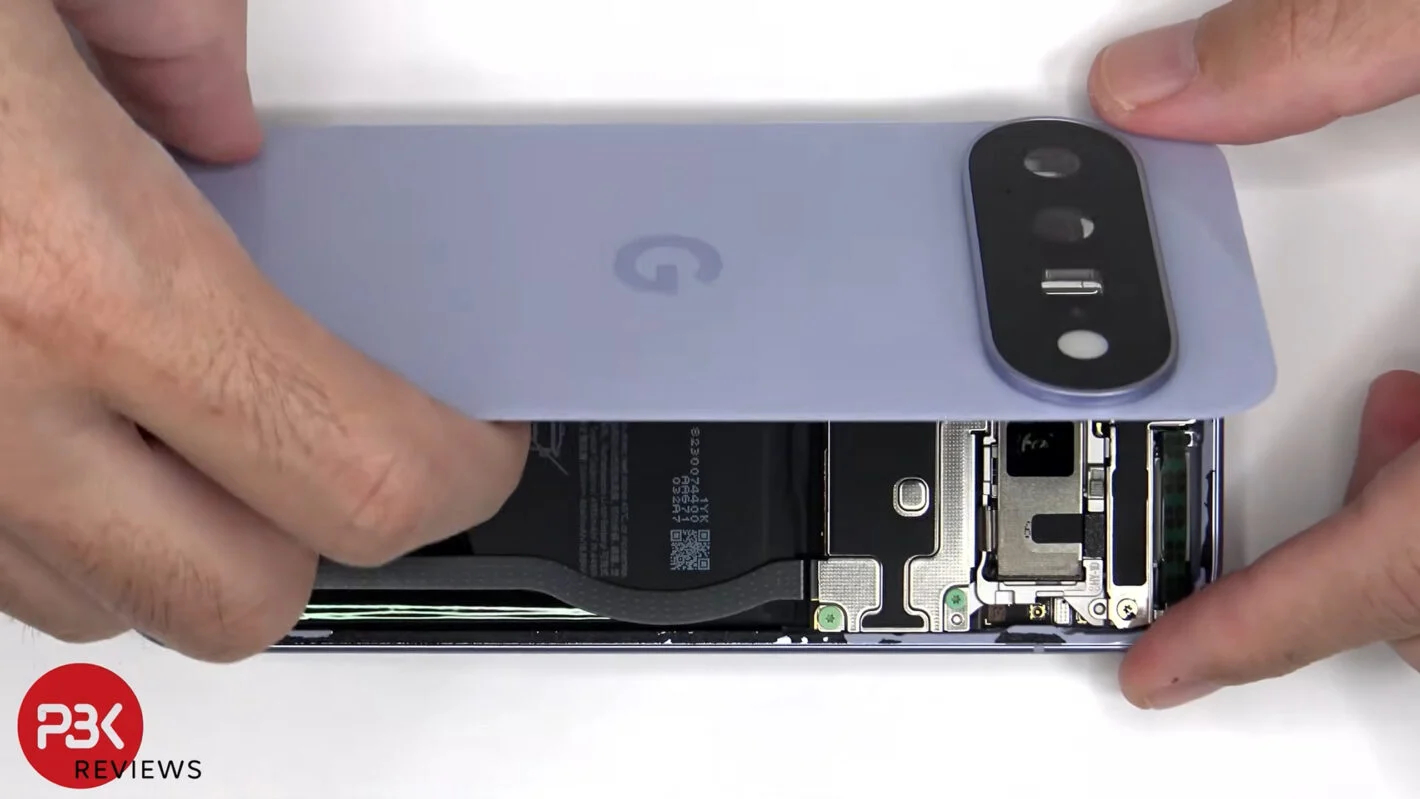
The Google Pixel 11 has earned exceptional praise from repair specialists and technology analysts for its remarkably user-friendly design when it comes to component replacement and maintenance. In an industry where planned obsolescence and difficult-to-repair devices have become increasingly common, Google appears to be swimming against the current by prioritizing repairability in its latest flagship smartphone. This development marks a significant shift in the company’s approach to device design and could potentially influence the broader smartphone industry to follow suit.
The high repairability score assigned to the Pixel 11 reflects Google’s commitment to addressing one of the most persistent complaints among smartphone users: the difficulty and expense of fixing damaged devices. Independent repair organizations and technology reviewers have conducted thorough teardown analyses of the device, noting that key components such as the battery, display, and charging port can be accessed and replaced with relative ease compared to competing flagship smartphones from Apple, Samsung, and other major manufacturers.
A Growing Movement Toward Right to Repair
The Pixel 11’s repair-friendly design arrives at a crucial moment in the ongoing right-to-repair movement that has gained significant traction worldwide. Legislators in the European Union, the United States, and other jurisdictions have been pushing for laws that require manufacturers to make their devices more accessible for independent repair. The EU’s new regulations on sustainable product design, which came into effect in recent years, mandate that electronic devices must be designed with repairability in mind, including requirements for replaceable batteries and accessible components.
Google’s proactive approach with the Pixel 11 suggests that major technology companies are beginning to anticipate and adapt to these regulatory changes rather than resist them. The company has also expanded its partnership with iFixit, the renowned repair advocacy organization, to provide official replacement parts, tools, and detailed repair guides for its devices. This collaboration has made it significantly easier for both professional repair technicians and ambitious do-it-yourself enthusiasts to service their Pixel smartphones without voiding warranties or risking damage to their devices.
Technical Innovations Behind the Design
The engineering team behind the Pixel 11 implemented several key design choices that contribute to its high repairability rating. The device reportedly utilizes a modular architecture that allows individual components to be removed and replaced without affecting surrounding parts. The battery, often one of the first components to degrade over time, can be accessed after removing a limited number of screws and uses stretch-release adhesive that simplifies extraction without requiring heat guns or potentially dangerous prying tools.
Additionally, Google has standardized many of the screws and fasteners used throughout the device, eliminating the frustrating experience of dealing with multiple proprietary screw types that require specialized tools. The display assembly, typically one of the most expensive and commonly damaged components, features a design that reduces the risk of breaking the fragile OLED panel during replacement procedures. These thoughtful engineering decisions demonstrate that creating repair-friendly devices does not necessarily mean compromising on performance, aesthetics, or water resistance—a concern that manufacturers have historically cited as justification for sealed, difficult-to-repair designs.
Environmental and Economic Implications
The emphasis on repairability carries significant environmental benefits that extend beyond individual device longevity. Electronic waste, or e-waste, represents one of the fastest-growing waste streams globally, with millions of tons of discarded electronics contributing to environmental pollution and resource depletion each year. By designing smartphones that can be easily repaired and maintained over longer periods, manufacturers can help reduce the frequency of device replacement and the associated environmental footprint.
From a consumer economics perspective, the Pixel 11’s repair-friendly design could translate into substantial cost savings over the device’s lifespan. Professional repairs for flagship smartphones often cost hundreds of dollars, and many consumers simply choose to replace their devices rather than invest in expensive fixes. By making repairs more accessible and affordable, Google is potentially extending the useful life of its devices while also building stronger customer loyalty among environmentally conscious consumers who prioritize sustainability in their purchasing decisions.
Expert Opinion: The Pixel 11’s emphasis on repairability signals a potential paradigm shift in smartphone design philosophy. As regulatory pressure mounts and consumer awareness of sustainability issues grows, manufacturers who embrace repair-friendly designs early may gain significant competitive advantages. We can expect other major players in the smartphone market to follow Google’s lead within the next two to three product cycles, making repairability a standard feature rather than an exception.