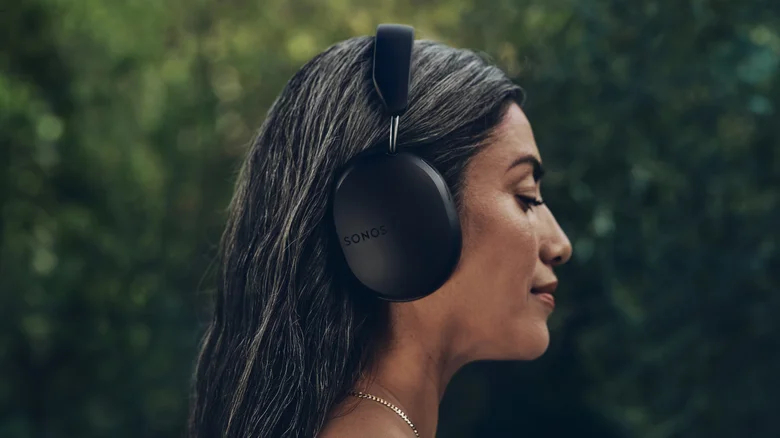
Audio equipment manufacturer Sonos is gearing up to challenge Apple’s dominance in the premium wireless headphone market with the upcoming release of the Sonos Ace Ultra. The new product has been spotted in the Federal Communications Commission (FCC) database, a regulatory filing that typically precedes official product announcements by several weeks. This filing suggests that Sonos is preparing to expand its audio lineup with an enhanced version of its existing headphone offering, potentially featuring voice command capabilities that could rival Apple’s AirPods Max.
FCC Filing Reveals New Product Details
The appearance of the Sonos Ace Ultra in the FCC database provides compelling evidence that the company is serious about competing in the high-end headphone segment. FCC certification is a mandatory requirement for any electronic device that emits radio frequencies to be sold in the United States, making such filings a reliable indicator of imminent product launches. While the specific details of the certification remain limited, industry analysts believe the “Ultra” designation suggests significant upgrades over the original Sonos Ace headphones that were released in 2024.
The original Sonos Ace represented the company’s first foray into the personal audio market, marking a departure from its traditional focus on home speaker systems and soundbars. Priced at $449, the initial model received mixed reviews, with critics praising its sound quality but noting that it lacked some features present in competing products from Apple, Sony, and Bose. The Ultra variant appears positioned to address these shortcomings while potentially introducing new functionality that could differentiate it in an increasingly crowded market.
Voice Command Integration Signals Strategic Direction
Perhaps the most intriguing aspect of the leaked information is the suggestion that the Sonos Ace Ultra will include voice command support. This feature would allow users to control their headphones and potentially other Sonos devices through spoken instructions, similar to how Apple’s AirPods Max integrates with Siri. For Sonos, which has previously partnered with both Amazon Alexa and Google Assistant for its home speaker products, the question of which voice assistant will be integrated remains open. The company’s existing ecosystem support for multiple voice platforms could give it a competitive advantage over Apple’s more closed ecosystem approach.
The premium headphone market has grown substantially in recent years, with global sales of wireless headphones expected to exceed $45 billion by 2025. Apple’s AirPods Max, despite its $549 price point and criticism of its weight and carrying case design, has maintained a significant market presence since its 2020 launch. Sony’s WH-1000XM5 and Bose’s QuietComfort Ultra Headphones have also established strong positions in this segment, creating a competitive landscape that Sonos must navigate carefully with its new offering.
Sonos Aims to Leverage Home Audio Expertise
Sonos brings several unique advantages to the premium headphone market that could help the Ace Ultra succeed where other challengers have struggled. The company’s nearly two decades of experience in developing multi-room audio systems has given it deep expertise in wireless connectivity, audio processing, and seamless device integration. Additionally, Sonos headphones can integrate with the company’s existing ecosystem of speakers and soundbars, potentially offering features like TV Audio Swap that allows users to transfer audio from their Sonos soundbar directly to their headphones for private listening.
Industry experts anticipate that the Sonos Ace Ultra could be announced at a dedicated product event in the coming months, possibly targeting a summer 2025 release window. If the company can successfully combine its audio engineering prowess with competitive noise cancellation, comfortable design, and robust voice assistant integration, the Ace Ultra could emerge as a serious alternative for consumers seeking premium wireless headphones outside of Apple’s ecosystem. The official announcement is expected to reveal pricing, complete specifications, and availability information that will determine whether Sonos can truly compete at the highest levels of the personal audio market.
Expert Opinion: The Sonos Ace Ultra’s timing could prove strategically significant, as Apple has not substantially updated the AirPods Max since its original 2020 launch, leaving an opening for competitors to capture market share with more modern features. If Sonos prices the Ultra competitively below the AirPods Max while delivering superior voice integration across multiple platforms, it could establish itself as the preferred choice for users invested in multi-brand smart home ecosystems. The success of this product will likely determine whether Sonos commits to expanding further into personal audio or returns its focus to home-based systems.