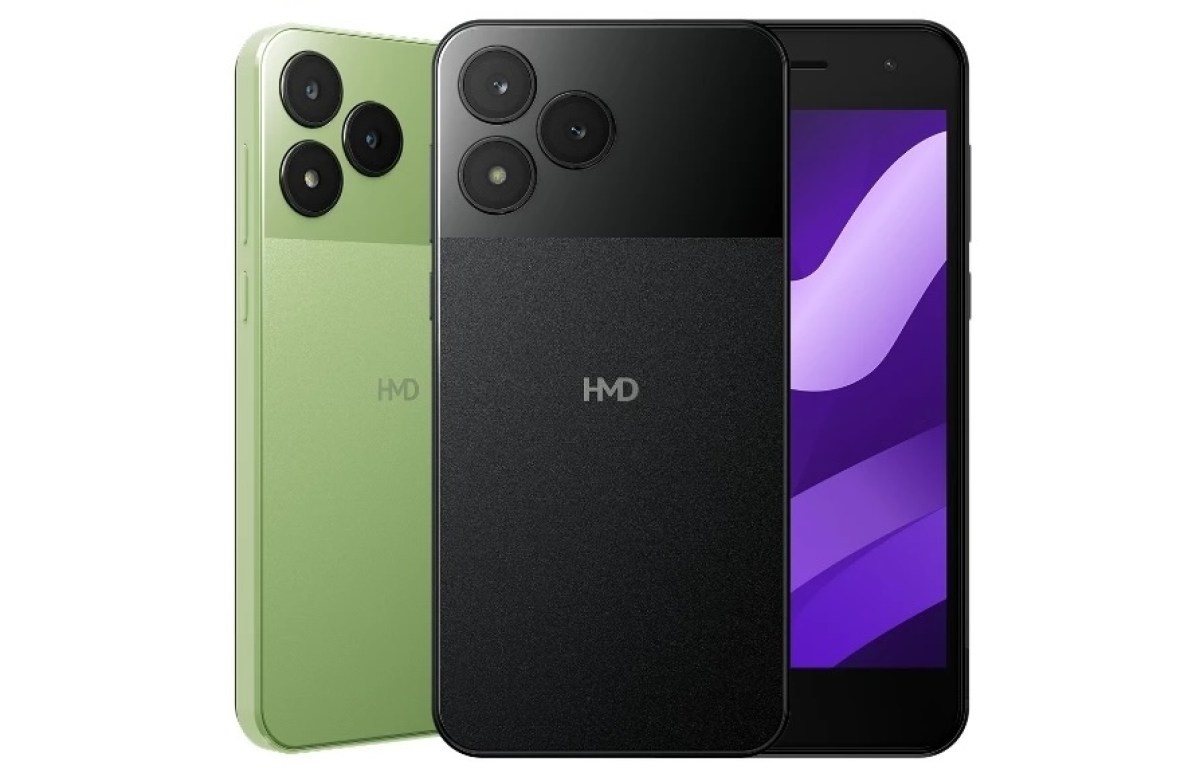
Finnish smartphone manufacturer HMD Global has officially announced the launch of the Asha 305, a budget-friendly smartphone that brings back a feature many users have been longing for – a removable battery. Priced at an incredibly accessible $65, this device runs on Android AOSP (Android Open Source Project) and targets consumers in emerging markets who prioritize practicality, repairability, and affordability over cutting-edge specifications. The Asha 305 represents HMD’s continued commitment to serving users who need reliable, no-frills mobile devices without breaking the bank.
The revival of the Asha brand carries significant nostalgia for mobile phone enthusiasts. Originally introduced by Nokia in 2011, the Asha series was designed as an affordable smartphone line for developing markets, bridging the gap between basic feature phones and full-fledged smartphones. After Microsoft acquired Nokia’s mobile division in 2014, the Asha brand was eventually discontinued. However, HMD Global, which acquired the rights to the Nokia brand for phones in 2016, has now resurrected this beloved name, signaling a strategic return to the budget segment that made Nokia a household name in countless countries.
Technical Specifications and Design Philosophy
The HMD Asha 305 embraces a design philosophy that prioritizes user serviceability and longevity. The removable battery feature, once standard in mobile phones but largely abandoned by manufacturers in favor of sleeker unibody designs, addresses several practical concerns. Users can easily swap batteries when capacity degrades over time, carry spare batteries for extended use during travel, and avoid costly repairs or device replacement when battery issues arise. This approach aligns with growing global movements toward right-to-repair legislation and more sustainable electronics consumption.
Running on Android AOSP means the Asha 305 operates on a stripped-down version of Android without Google Mobile Services pre-installed. This choice offers several advantages for the target market: reduced storage requirements, lower processing demands, and potentially enhanced privacy. While users won’t have immediate access to the Google Play Store, they can sideload applications or use alternative app stores. This approach has proven successful in markets where Google services are either unavailable or where users prefer lightweight operating systems that maximize limited hardware resources.
Market Strategy and Competitive Landscape
At $65, the Asha 305 enters an extremely competitive segment of the smartphone market, where it will face competition from various Chinese manufacturers including Xiaomi, Realme, and Transsion Holdings’ Tecno and Infinix brands. However, HMD’s strategy appears to differentiate on brand trust, build quality, and the unique value proposition of genuine repairability. The company has been increasingly focusing on sustainability and device longevity, recently launching initiatives around repairable phones in partnership with iFixit.
The timing of this launch is particularly strategic. As inflation and economic pressures affect consumers worldwide, demand for affordable yet functional smartphones continues to grow. According to industry analysts, the sub-$100 smartphone segment accounts for a significant portion of global shipments, particularly in Africa, South Asia, and Latin America. HMD’s decision to revive the Asha brand – which already carries positive associations in these markets from the Nokia era – could prove to be a smart marketing move that leverages existing brand equity.
Looking Ahead: Sustainability and User-Centric Design
The Asha 305’s launch reflects broader industry trends toward more sustainable and user-friendly device design. European Union regulations requiring removable batteries in electronic devices by 2027 are pushing manufacturers to reconsider their design approaches. HMD appears to be ahead of this curve, positioning itself as a brand that listens to consumer demands for practical features over marketing-driven specifications. Whether the Asha 305 will spark a wider return to removable batteries across the industry remains to be seen, but it certainly sends a clear message about what budget-conscious consumers actually want from their devices.
Expert Opinion: The resurrection of the Asha brand represents a calculated bet by HMD that the pendulum is swinging back toward practical, repairable devices in the budget segment. With upcoming EU battery regulations and growing environmental consciousness among consumers, manufacturers who embrace removable batteries and user serviceability now may gain significant competitive advantages. The $65 price point, combined with the nostalgia factor of the Asha name, could make this device a surprise success in emerging markets where Nokia’s legacy remains strong.