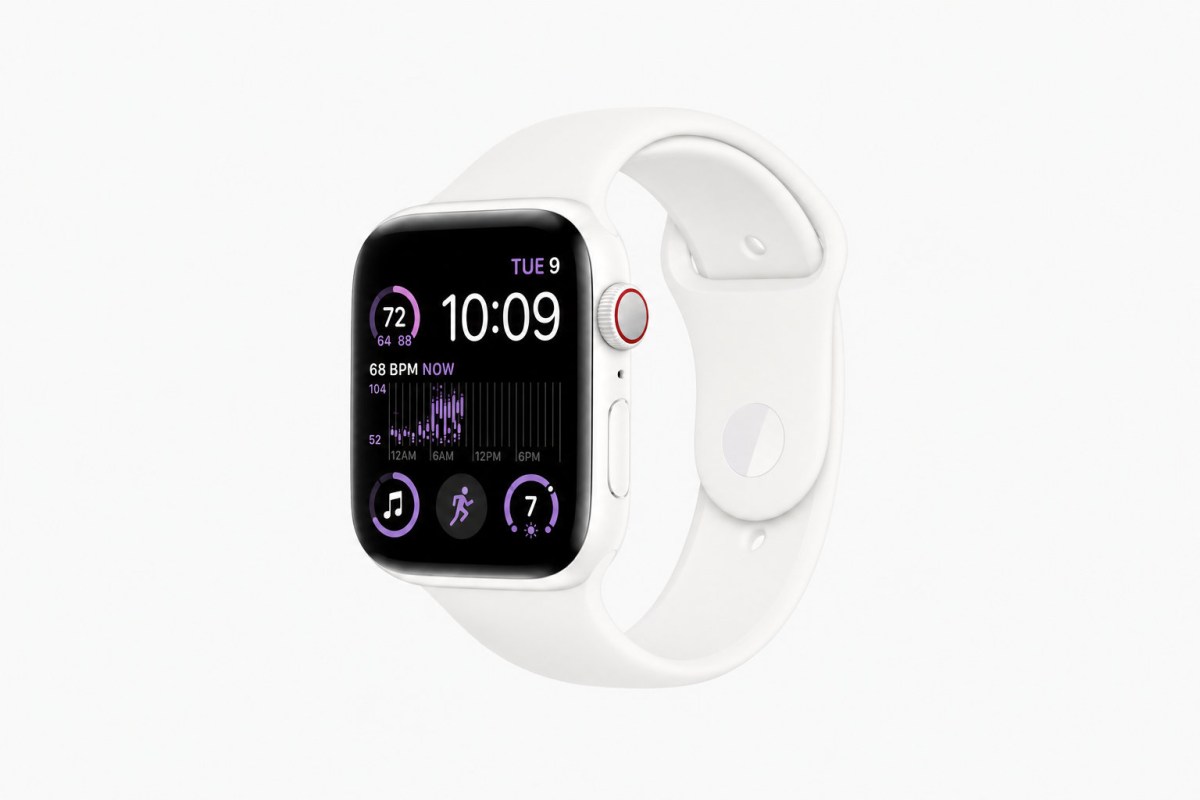
Apple appears to be considering a significant return to its premium materials lineup, with recent reports suggesting that the upcoming Apple Watch Series 12 could feature a ceramic case option that the company has not offered since 2019. This potential revival of the sophisticated material would mark a notable shift in Apple’s wearable strategy, appealing to customers who have long appreciated the unique aesthetic and durability characteristics that ceramic brings to smartwatch design.
The History of Ceramic in Apple’s Wearable Lineup
Apple first introduced ceramic as a case material option with the Apple Watch Series 2 in 2016, initially offering it exclusively in a striking white finish. The ceramic Apple Watch quickly became a favorite among enthusiasts who appreciated its scratch-resistant properties and distinctive appearance that set it apart from the aluminum and stainless steel variants. Over subsequent generations, Apple expanded the ceramic options to include both white and gray finishes, giving customers more choices in the premium segment. However, when Apple launched the Apple Watch Series 5 in 2019, it would be the last time the company offered ceramic cases, as the material was quietly discontinued from the lineup without official explanation.
The decision to discontinue ceramic Apple Watch models in 2020 left a gap in Apple’s premium offerings that many loyal customers found disappointing. Ceramic as a material offers several advantages over traditional metals, including exceptional hardness that resists scratches far better than aluminum or even stainless steel. Additionally, ceramic does not conduct heat or cold as readily as metal, making it more comfortable to wear in extreme temperatures. The material also possesses a unique luster that many consider more elegant than metallic finishes, giving it an almost jewelry-like quality that appeals to fashion-conscious consumers.
Manufacturing Challenges and Premium Positioning
Industry analysts suggest that Apple’s original decision to discontinue ceramic was likely driven by manufacturing complexities and cost considerations. Producing ceramic watch cases requires an intricate process involving high-temperature sintering of zirconia powder, followed by extensive polishing and finishing work. This manufacturing process is significantly more time-consuming and expensive than producing aluminum or stainless steel cases, which may have contributed to Apple’s decision to focus resources elsewhere. The ceramic Apple Watch models were typically priced at a premium, often costing several hundred dollars more than their stainless steel counterparts, which limited their market appeal to a relatively small segment of buyers.
The potential return of ceramic with the Apple Watch Series 12 could signal Apple’s renewed interest in expanding its premium wearable offerings. With competition in the smartwatch market intensifying from brands like Samsung, Google, and various luxury watchmakers entering the space, Apple may see an opportunity to differentiate its products through exclusive materials that competitors cannot easily replicate. The timing would also coincide with reports that Apple is preparing significant updates for its smartwatch lineup, including improved health sensors and potentially new design elements that could complement a premium ceramic option.
What This Could Mean for Consumers
If Apple does indeed bring back ceramic for the Series 12, consumers can expect to pay a substantial premium for the material choice. Historical pricing suggests ceramic models could cost anywhere from $1,299 to $1,499 or more, positioning them between the standard Apple Watch and the ultra-premium Apple Watch Ultra lineup. This would create a more comprehensive range of options for customers seeking luxury materials without necessarily needing the rugged features of the Ultra model. The ceramic option would likely appeal to professionals and fashion-forward individuals who prioritize aesthetics and scratch resistance in their daily wear.
The rumored return also raises questions about what other changes Apple might be planning for its tenth-anniversary Apple Watch generation. Industry observers note that Apple has historically used milestone products to introduce significant innovations and material choices. Whether ceramic will be accompanied by other new features remains to be seen, but the potential revival of this beloved material option has already generated considerable excitement among Apple Watch enthusiasts who have been waiting seven years for its return.
Expert Opinion: The potential return of ceramic to the Apple Watch lineup represents more than just a material choice—it signals Apple’s recognition that premium differentiation remains crucial in an increasingly commoditized smartwatch market. If implemented, this move could reinvigorate interest among luxury-oriented consumers and potentially command higher margins, while positioning Apple to better compete against traditional watchmakers entering the smart wearable space.