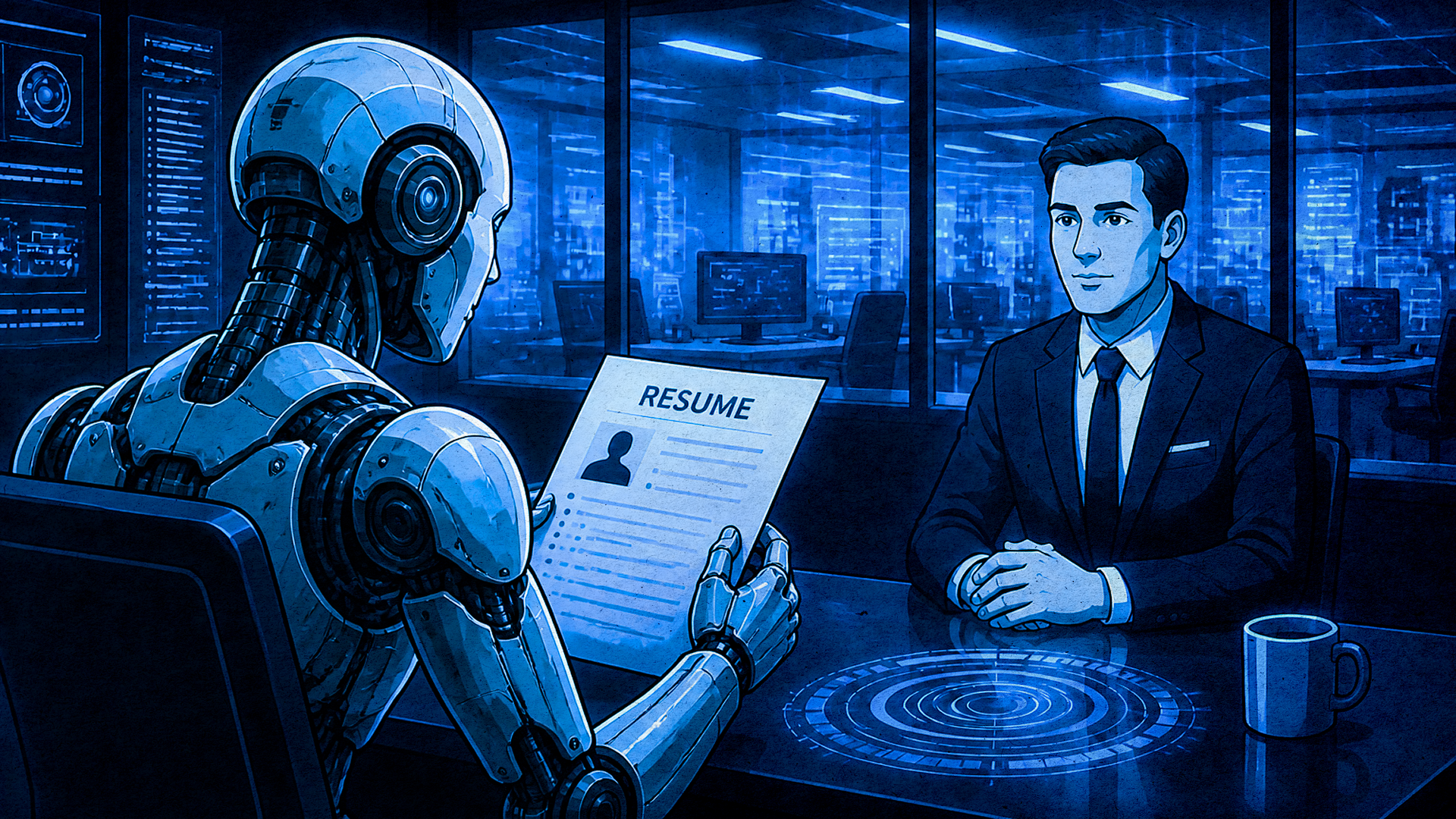

The landscape of frontend development is undergoing a significant transformation as artificial intelligence tools increasingly automate routine coding tasks. While AI assistants are reportedly saving frontend teams between 20-30% of their working time, developers across the industry insist that their workload hasn’t actually decreased. Instead, the nature of the work is shifting dramatically, forcing professionals to reconsider their career trajectories and skill sets in an era where writing basic HTML, CSS, and JavaScript is no longer enough to remain competitive in the job market.
This paradox — technology saving time while work remains constant — reflects a broader reorganization of how software development teams operate. As AI handles more boilerplate code, component scaffolding, and routine debugging tasks, developers find themselves redirected toward more complex architectural decisions, user experience optimization, and integration challenges that machines cannot yet solve independently.
The AI Revolution in Frontend Development
The integration of AI-powered coding assistants like GitHub Copilot, ChatGPT, and specialized frontend tools has fundamentally altered the daily workflow of web developers. These tools can generate entire React components, suggest CSS styling solutions, and even debug complex JavaScript issues in seconds rather than hours. According to recent industry surveys, over 70% of professional developers now use some form of AI assistance in their daily work, with frontend development being one of the most impacted sectors due to the repetitive nature of many UI-related tasks.
However, this efficiency gain has created an unexpected market dynamic. Companies are discovering they can accomplish the same output with smaller teams, leading to reduced hiring in traditional frontend roles. Entry-level positions have been particularly affected, as junior developers historically cut their teeth on exactly the type of repetitive tasks that AI now handles effortlessly. The barrier to entry has paradoxically risen even as the tools have become more accessible, because employers now expect candidates to demonstrate skills that go far beyond basic coding proficiency.
Historical Context: Frontend Development’s Evolution
To understand the current disruption, it’s essential to recognize that frontend development has always been a field in constant flux. In the early 2000s, web developers primarily worked with static HTML pages and simple JavaScript interactions. The introduction of jQuery in 2006 revolutionized the field, followed by the framework wars of the 2010s that saw Angular, React, and Vue.js compete for dominance. Each technological shift displaced some workers while creating opportunities for others who adapted quickly.
The current AI disruption differs in scale and speed. Previous transitions gave developers years to adapt; the AI revolution is measured in months. Between 2022 and 2025, the capabilities of coding AI have advanced from generating simple snippets to producing production-ready applications. Industry analysts compare this transformation to the introduction of high-level programming languages, which didn’t eliminate programming jobs but fundamentally changed what programmers needed to know. The developers who thrived were those who moved up the abstraction ladder rather than competing with automated tools.
Where Frontend Developers Should Focus Their Careers
Industry experts and career coaches are increasingly advising frontend developers to pivot toward areas where human judgment remains irreplaceable. Full-stack development continues to grow in demand, as companies prefer versatile engineers who can work across the entire application stack. Understanding backend systems, databases, and cloud infrastructure makes developers more valuable and harder to replace with AI tools that excel primarily at narrow, well-defined tasks.
Another promising direction involves specialization in performance optimization, accessibility compliance, and complex state management — areas requiring deep understanding of both technical constraints and human needs. User experience engineering, which bridges the gap between design and development, represents a growing niche where emotional intelligence and creative problem-solving matter as much as coding skills. Additionally, developers with strong communication abilities find themselves increasingly sought after for technical leadership roles, where they guide AI-augmented teams rather than writing code themselves.
The transition also opens opportunities in AI tool development itself. Frontend developers who understand both the capabilities and limitations of current AI systems can contribute to building better development tools, creating a meta-career path that leverages existing skills while embracing the changing landscape. Those who view AI as a collaborative partner rather than a replacement threat position themselves most favorably for the decade ahead.
Expert Opinion: The frontend development field is experiencing a fundamental restructuring rather than simple job elimination. Developers who invest in understanding system architecture, user psychology, and AI collaboration workflows will likely see their market value increase significantly over the next five years. The key insight is that AI amplifies human capabilities rather than replacing them entirely — but only for those who evolve their skill sets to work at higher levels of abstraction and complexity.