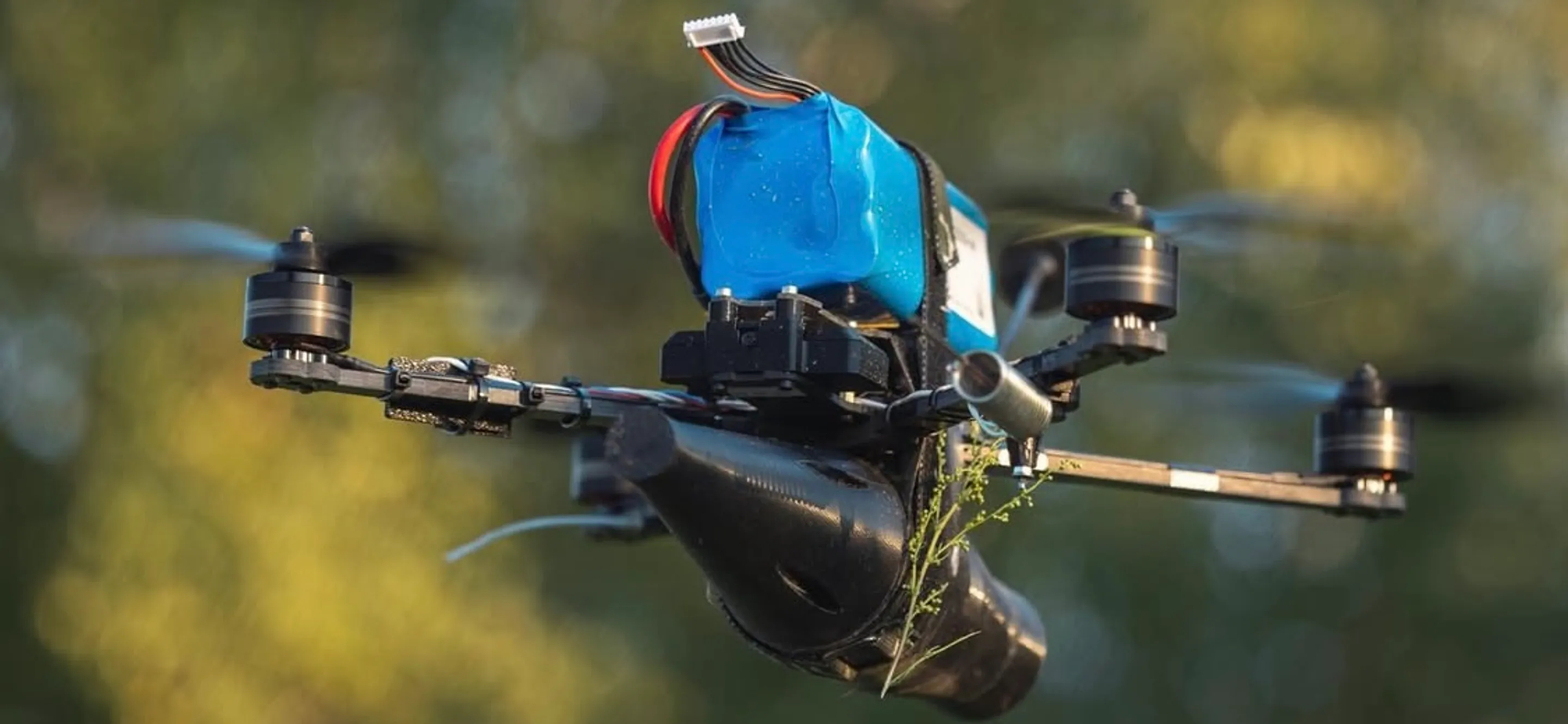
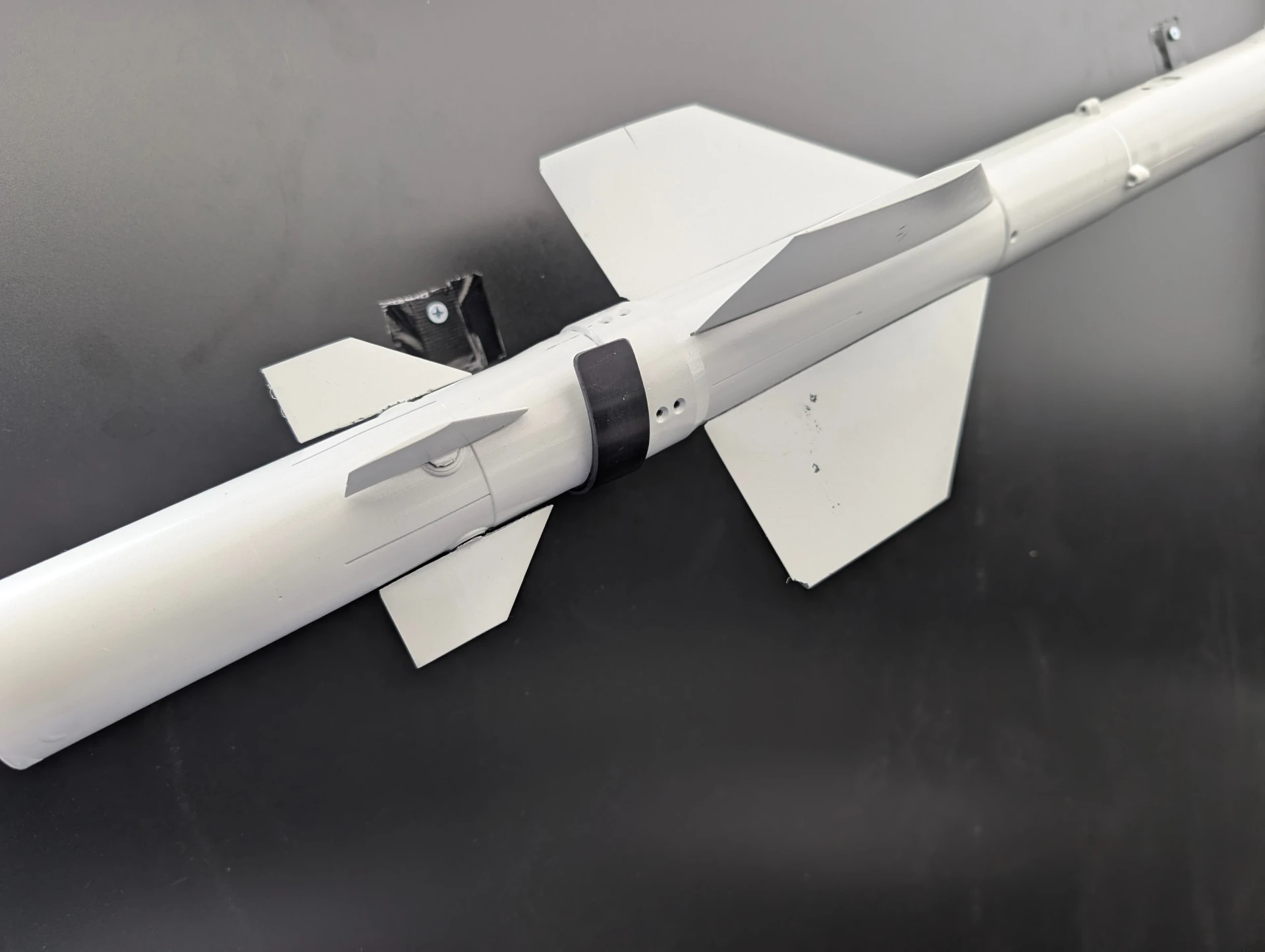
Swedish aerospace and defense company Saab has announced the development of a new low-cost missile specifically designed to intercept unmanned aerial vehicles, addressing one of the most pressing challenges facing modern militaries worldwide. The announcement comes as armed forces across the globe struggle to find economically viable solutions to counter the growing threat posed by relatively inexpensive drones that have transformed contemporary warfare.
The new missile system represents Saab’s strategic response to a fundamental problem in modern air defense: the cost asymmetry between expensive interceptor missiles and cheap commercial or military drones. Traditional surface-to-air missiles can cost hundreds of thousands or even millions of dollars per unit, making it financially unsustainable to use them against drones that may cost only a few thousand dollars. This economic imbalance has driven defense contractors to develop purpose-built, affordable counter-drone solutions.
The Drone Threat Reshaping Modern Warfare
The proliferation of unmanned aerial vehicles has fundamentally altered the battlefield calculus for military planners worldwide. Conflicts in Ukraine, the Middle East, and various regional hotspots have demonstrated how relatively inexpensive drones can be used for reconnaissance, targeted strikes, and even swarm attacks against high-value military assets. The effectiveness of drone warfare has prompted urgent reassessment of air defense strategies among NATO members and other military powers.
Ukraine’s ongoing conflict with Russia has served as a proving ground for drone technology, with both sides employing various unmanned systems for surveillance, artillery spotting, and direct attacks on infrastructure and military positions. Iranian-designed Shahed drones, commercial quadcopters modified for combat, and sophisticated military UAVs have all featured prominently in the conflict, highlighting the diverse nature of the drone threat that modern air defense systems must address.
Saab’s Legacy in Defense Innovation
Saab has a long and distinguished history in aerospace and defense manufacturing, dating back to its founding in 1937 when Sweden sought to establish domestic aircraft production capability to maintain neutrality during World War II. The company has since evolved into a major international defense contractor, producing fighter aircraft like the Gripen, radar systems, missiles, and various electronic warfare solutions. This new anti-drone missile represents a continuation of Saab’s tradition of developing innovative, cost-effective military solutions.
The company’s approach to the counter-drone challenge reflects broader industry trends toward developing scalable, affordable defensive systems. Defense analysts note that successful counter-drone solutions must balance effectiveness against cost efficiency, as the sheer number of potential drone threats makes expensive interceptors economically impractical. Saab’s engineering expertise in missile guidance systems and radar technology positions the company well to address these complex requirements.
Market Demand and Future Prospects
The global market for counter-drone systems has expanded rapidly in recent years, with estimates suggesting it could reach tens of billions of dollars by the end of the decade. Military customers are seeking diverse solutions ranging from electronic jamming systems and directed energy weapons to kinetic interceptors like the missile Saab is developing. The Swedish company’s entry into this competitive market segment comes at a time of heightened defense spending among NATO allies and growing concern about drone threats to critical infrastructure.
Industry experts suggest that the most effective counter-drone strategies will likely involve layered defenses combining multiple technologies. Saab’s new missile could serve as one component of such integrated systems, providing a kinetic option when electronic countermeasures prove insufficient or when the threat requires physical destruction. The emphasis on affordability suggests the missile is designed for high-volume production and deployment, potentially making it attractive to military customers facing budget constraints while confronting expanding drone arsenals.
Expert Opinion: The development of cost-effective anti-drone missiles by established defense contractors like Saab signals a maturing of the counter-UAS market beyond experimental solutions. As drone swarm tactics become more sophisticated, we can expect rapid iteration in interceptor technology, with future systems likely incorporating artificial intelligence for autonomous threat identification and engagement. Nations that invest early in scalable, affordable counter-drone capabilities will hold significant tactical advantages in conflicts where air superiority is increasingly contested by unmanned systems.