
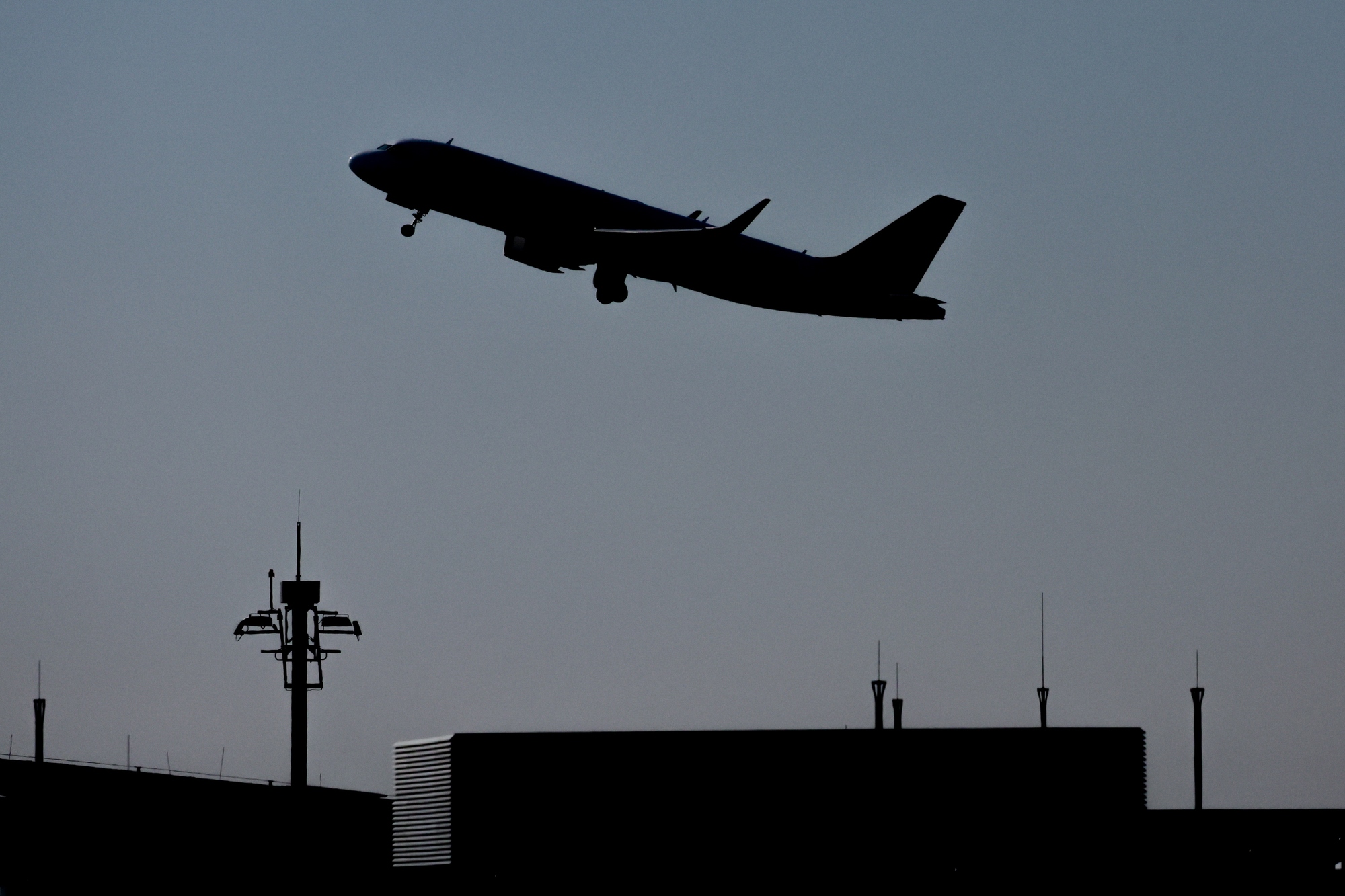
Significant disruptions to GPS navigation systems have been increasingly observed across European airspace, particularly over the Baltic Sea region near Russia’s Kaliningrad exclave, where Russian electronic warfare systems are believed to be actively deployed. These interference incidents have raised serious concerns among aviation authorities, pilots, and safety experts about the potential risks to civilian aircraft operating in affected areas. As the conflict in Ukraine continues to drive military electronic countermeasures, the collateral impact on civil aviation has become an increasingly pressing international concern.
The Scope of GPS Interference Across European Airspace
The problem of GPS signal jamming and spoofing has escalated dramatically since Russia’s full-scale invasion of Ukraine in February 2022. Aviation safety agencies have documented thousands of incidents where aircraft navigation systems received corrupted or completely blocked satellite signals. The most heavily affected areas include airspace over the Baltic states, Poland, Finland, and the Black Sea region. Kaliningrad, Russia’s westernmost territory sandwiched between NATO members Lithuania and Poland, has emerged as a particularly problematic hotspot due to the concentration of Russian military electronic warfare installations in the area. These systems, originally designed to disrupt enemy drones and precision-guided munitions in the Ukrainian theater, have an effective range that extends far beyond intended targets, inadvertently affecting civilian air traffic across a wide geographical area.
According to data from EUROCONTROL, the European organization for air navigation safety, reports of GPS interference have increased by over 300 percent compared to pre-war levels. Finland’s national carrier Finnair has been among the most vocal about the issue, temporarily suspending flights to certain destinations due to navigation concerns. Estonian, Latvian, and Lithuanian aviation authorities have similarly raised alarms about the frequency and intensity of jamming incidents affecting their airspace.
Understanding the Technology Behind GPS Disruption
GPS jamming works by broadcasting radio signals on the same frequencies used by navigation satellites, effectively drowning out the legitimate signals that aircraft rely upon for positioning. Spoofing, a more sophisticated technique, involves transmitting false GPS signals that trick receivers into calculating incorrect positions. Both methods pose distinct challenges for aviation safety. Modern aircraft depend heavily on GPS for en-route navigation, approach procedures, and terrain awareness systems. When these signals become unreliable, pilots must revert to alternative navigation methods, including inertial navigation systems, ground-based radio beacons, and traditional radar vectoring from air traffic control.
Safety Implications and Industry Response
Aviation experts emphasize that while GPS disruption creates significant operational challenges, modern aircraft are equipped with multiple redundant navigation systems that prevent jamming from creating immediate catastrophic dangers. Commercial airliners carry backup systems including inertial reference units, VHF omnidirectional range receivers, and distance measuring equipment that can maintain safe navigation even when satellite signals are compromised. However, the increased workload on pilots and air traffic controllers during jamming incidents raises concerns about human error potential, particularly during critical phases of flight such as approaches in poor weather conditions.
The International Civil Aviation Organization has been working with affected member states to develop standardized procedures for GPS interference scenarios. Airlines have implemented additional crew training focused on navigation system failures, and some carriers have adjusted routes to avoid the most severely affected areas. The European Union Aviation Safety Agency has issued multiple safety bulletins advising operators about known interference zones and recommending enhanced vigilance when operating in affected regions.
Geopolitical Dimensions and Future Outlook
The GPS jamming issue highlights the complex intersection of military operations and civilian infrastructure in modern conflicts. While Russia has not officially acknowledged responsibility for the interference, Western intelligence agencies and independent researchers have traced the source of many jamming signals to Russian military installations. The situation presents a diplomatic challenge, as deliberate interference with civil aviation navigation could potentially be considered a violation of international aviation conventions. However, proving intent and establishing accountability remains difficult given the dual-use nature of electronic warfare systems and the ongoing military conflict in the region. As long as hostilities continue in Ukraine, experts predict that GPS disruption will remain a persistent challenge for European aviation, necessitating continued adaptation by airlines, regulatory agencies, and air navigation service providers.
Expert Opinion: The ongoing GPS interference situation represents a new normal for European aviation that will likely persist for years, even after the Ukraine conflict eventually concludes. Airlines and regulators must accelerate investment in alternative positioning technologies, including enhanced ground-based navigation infrastructure and emerging satellite systems less vulnerable to jamming. The aviation industry’s proven safety redundancies mean catastrophic incidents remain unlikely, but the cumulative effect of increased pilot workload and operational complexity demands continued vigilance and international coordination.