A significant cybersecurity breach targeting one of Apple’s key manufacturing partners has inadvertently exposed previously unknown details about the camera system planned for the iPhone 18 Pro. The leak, which occurred through a ransomware attack on a component supplier, has provided technology enthusiasts and industry analysts with an early glimpse into Apple’s ambitious photography plans for their 2025 flagship smartphone lineup. This incident also reignites discussions about supply chain security in the technology sector and the challenges companies face in protecting proprietary information across their vast network of suppliers and manufacturers.
Details of the Cyberattack and Leaked Information
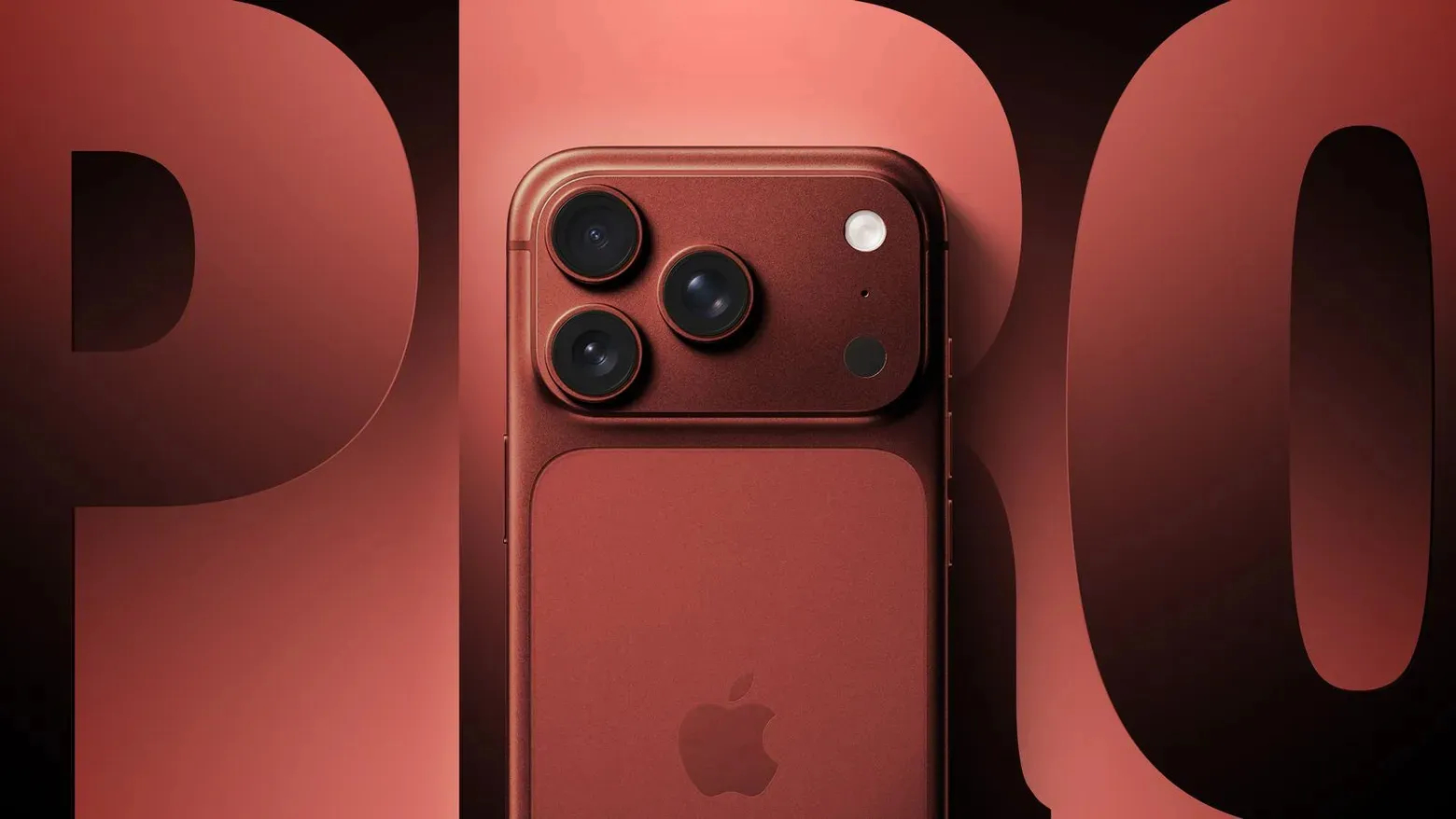
The ransomware attack reportedly targeted a Taiwan-based optical component manufacturer that has been a long-standing partner in Apple’s supply chain. Hackers managed to extract several gigabytes of confidential data, including technical specifications and design documents related to upcoming Apple products. Among the most significant revelations were detailed schematics showing a substantially upgraded camera module for the iPhone 18 Pro series. According to the leaked documents, Apple is planning to introduce a revolutionary variable aperture system that would allow users unprecedented control over depth of field effects directly through hardware rather than computational photography alone.
The documents also suggest that Apple is developing an enhanced periscope telephoto lens capable of achieving up to 10x optical zoom, a significant improvement over the current 5x capability found in existing Pro models. Industry experts note that this would bring Apple’s telephoto capabilities more in line with competitors like Samsung, who have been pushing the boundaries of smartphone zoom technology for several years. Additionally, the leak indicates that the main sensor will feature a larger photosensitive area, potentially reaching 1/1.14 inches, which would dramatically improve low-light performance and overall image quality.
iPhone Ultra: Apple’s New Premium Tier
Perhaps the most intriguing detail to emerge from this breach is confirmation of Apple’s plans to introduce an entirely new product category alongside the standard iPhone 18 lineup. The leaked roadmap clearly references an “iPhone Ultra” designation, suggesting Apple intends to create a new ultra-premium tier above the current Pro Max positioning. This move would mirror Apple’s successful strategy with the Apple Watch Ultra, which launched in 2022 and has since carved out a profitable niche among professional athletes and outdoor enthusiasts seeking more durable and feature-rich wearable technology.
While specific details about the iPhone Ultra remain scarce even in the leaked documents, analysts speculate that this device could feature exclusive camera capabilities, enhanced durability with titanium construction throughout, and possibly satellite connectivity features beyond the current emergency SOS functionality. The expected September 2025 launch timeline aligns with Apple’s traditional fall announcement schedule, though the company typically holds separate events for different product categories when introducing entirely new device classes.
Supply Chain Security Concerns in Tech Industry
This incident highlights the persistent vulnerabilities in global technology supply chains, where sensitive intellectual property must be shared across dozens of suppliers and manufacturing partners worldwide. Apple works with hundreds of component suppliers across Asia, Europe, and the Americas, creating numerous potential entry points for cybercriminals seeking valuable proprietary information. The company has invested heavily in supply chain security measures over the years, including mandatory security audits, encrypted communication channels, and compartmentalized information sharing protocols designed to limit exposure in case of individual breaches.
Cybersecurity experts point out that supply chain attacks have become increasingly sophisticated in recent years, with hackers specifically targeting smaller suppliers who may have less robust security infrastructure than their larger corporate clients. The semiconductor and electronics manufacturing sectors have been particularly vulnerable, with several high-profile breaches affecting companies like TSMC, Quanta Computer, and various display manufacturers in recent years. These incidents have prompted calls for industry-wide security standards and greater investment in protecting intellectual property throughout the manufacturing ecosystem.
Market Implications and Consumer Expectations
Despite the unauthorized nature of this leak, the revealed information has generated considerable excitement among Apple enthusiasts and technology investors. The camera improvements described in the leaked documents suggest Apple is preparing a substantial upgrade cycle that could drive strong consumer demand, particularly among photography enthusiasts who have watched competitors make significant strides in mobile imaging technology. Apple’s stock showed minimal movement following news of the breach, indicating investor confidence in the company’s ability to manage such incidents while continuing to execute on product development timelines.
The introduction of an iPhone Ultra category could also have significant implications for Apple’s average selling price and profit margins. By creating additional differentiation at the top of their product lineup, Apple could capture additional revenue from consumers willing to pay premium prices for cutting-edge features and exclusive capabilities. This strategy has proven successful across multiple Apple product lines and reflects broader industry trends toward market segmentation and premium positioning in an increasingly competitive smartphone market.
Expert Opinion: This breach underscores the critical importance of supply chain cybersecurity as technology companies increasingly rely on global manufacturing networks. The revealed camera specifications suggest Apple is preparing a major photography-focused upgrade cycle for 2025, which could reignite consumer interest in iPhone upgrades after several years of incremental improvements. The iPhone Ultra introduction, if confirmed, represents Apple’s continued strategy of market segmentation and could establish a new $1,500+ smartphone category that competitors will likely follow.