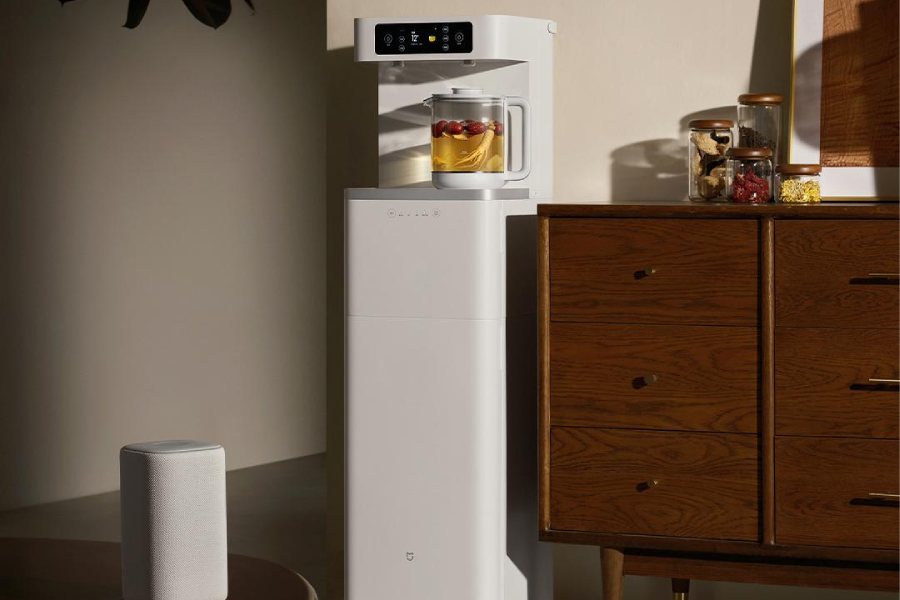
Chinese technology giant Xiaomi has unveiled its latest addition to the smart home ecosystem — an intelligent tea station capable of brewing tea autonomously and sterilizing cups using advanced UV technology. The device represents another step in the company’s strategy to digitize traditional practices, combining centuries-old tea culture with modern automation and connectivity features. Users can select from pre-programmed brewing modes optimized for different tea varieties, ensuring optimal flavor extraction and temperature control for each specific type of tea leaf.
Advanced Features and Brewing Technology
The new Xiaomi tea station incorporates sophisticated temperature control systems and precise timing mechanisms that adapt to the specific requirements of various tea types. Whether users prefer delicate green teas that require lower temperatures around 70-80°C, or robust black teas that need near-boiling water, the device automatically adjusts its parameters accordingly. The built-in UV sterilization system ensures that cups and brewing chambers remain hygienically clean, addressing growing consumer concerns about kitchen sanitation. This feature is particularly relevant in the post-pandemic era, where hygiene-conscious consumers increasingly demand appliances that go beyond basic functionality to provide health and safety benefits.
The integration with Xiaomi’s broader smart home ecosystem means users can control the tea station through the Mi Home app, schedule brewing times, and even receive notifications when their tea is ready. Voice control compatibility with popular virtual assistants adds another layer of convenience for users who have already invested in smart home infrastructure. The device also features water quality monitoring and filtration recommendations, recognizing that water composition significantly affects the final taste of brewed tea.
Xiaomi’s Smart Home Expansion Strategy
This tea station launch aligns with Xiaomi’s aggressive expansion into the smart home appliance market, which has seen the company introduce everything from robot vacuums to smart refrigerators over the past several years. Founded in 2010, Xiaomi has evolved from a smartphone manufacturer into a comprehensive technology conglomerate with products spanning dozens of categories. The company’s ecosystem approach, which connects various devices through a unified platform, has proven particularly successful in Asian markets where consumers appreciate seamless integration between their gadgets.
Tea consumption remains deeply embedded in Chinese culture, with the country accounting for approximately 40% of global tea production and consumption. By targeting this traditional practice with modern technology, Xiaomi taps into a market of hundreds of millions of daily tea drinkers who might appreciate the convenience of automated brewing without sacrificing the quality of their beloved beverage. The move also reflects broader trends in the consumer electronics industry, where manufacturers increasingly seek to digitize routine household activities that were previously considered too simple or traditional to warrant technological intervention.
Market Context and Competition
The smart kitchen appliance market has experienced significant growth in recent years, with global revenues expected to exceed $40 billion by 2027 according to industry analysts. Xiaomi faces competition from established appliance manufacturers like Midea and Haier, as well as specialized tea equipment brands that have begun incorporating smart features into their products. However, Xiaomi’s competitive advantage lies in its existing ecosystem of connected devices and its reputation for offering feature-rich products at competitive price points.
The tea station also represents an interesting cultural export opportunity for Xiaomi as it continues expanding into Western markets. While coffee machines have dominated the automated beverage preparation space in Europe and North America, growing interest in specialty teas and wellness beverages creates potential demand for sophisticated tea brewing solutions. Health-conscious consumers increasingly view tea as a beneficial alternative to coffee, appreciating its antioxidant properties and generally lower caffeine content. By establishing itself as a leader in smart tea preparation technology, Xiaomi positions itself to capitalize on these shifting consumer preferences globally.
Expert Opinion: This product launch signals Xiaomi’s sophisticated understanding of how to blend cultural heritage with technological innovation — a strategy that could prove highly effective in emerging markets where traditional practices remain important to consumers. The tea station represents more than just another smart appliance; it demonstrates how technology companies can create meaningful differentiation by addressing culturally specific needs rather than simply copying Western product categories. Expect other Chinese tech giants to follow with similar culturally-informed smart home products targeting both domestic and international markets.