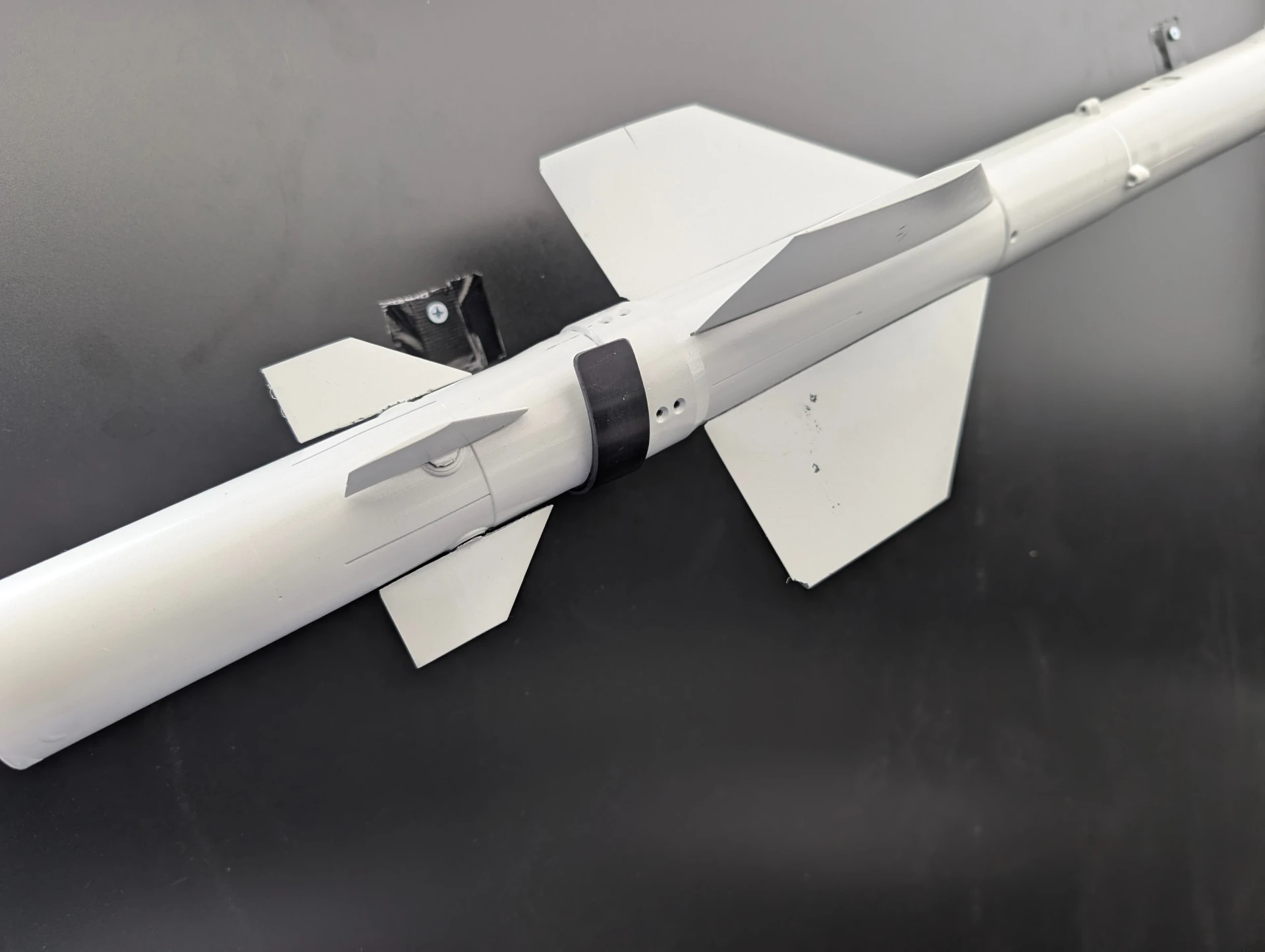
Ukrainian defense technology company PG Robotics has officially launched production of an upgraded unmanned aerial vehicle designed specifically for remote minefield deployment. The Lucky Strike-1.5 represents the latest evolution in Ukraine’s rapidly advancing domestic drone industry, which has become a critical component of the country’s defense strategy amid the ongoing conflict with Russia. This new iteration promises enhanced capabilities that could significantly impact tactical operations on the modern battlefield.
The announcement comes as Ukraine continues to prioritize the development of indigenous military technology, reducing dependence on foreign suppliers while creating innovative solutions tailored to the specific challenges faced by Ukrainian forces. Remote mining drones like the Lucky Strike series represent a paradigm shift in how defensive barriers can be established, allowing military units to create minefields in contested areas without exposing personnel to enemy fire or dangerous conditions.
Technical Advancements and Battlefield Applications
The Lucky Strike-1.5 incorporates several improvements over its predecessor, reflecting lessons learned from real-world combat deployment. Remote mining technology has become increasingly important in modern warfare, allowing forces to rapidly establish defensive perimeters, channel enemy movements, and protect strategic positions without the traditional risks associated with manual mine placement. Ukrainian engineers have been working extensively to refine payload capacity, flight stability, and operational range in response to battlefield feedback from frontline units.
Drones capable of deploying anti-personnel and anti-vehicle mines from the air represent a relatively new category of military technology that has seen accelerated development since 2022. These systems can operate in conditions that would be too dangerous for human sappers, including areas under active artillery fire or within range of enemy small arms. The ability to quickly establish or reinforce minefields provides tactical commanders with flexible options for shaping the battlefield according to their operational needs.
Ukraine’s Growing Drone Industry
PG Robotics is among numerous Ukrainian companies that have emerged or expanded significantly since the full-scale invasion began in February 2022. The country has developed what many military analysts describe as the world’s most advanced and combat-tested drone ecosystem, spanning reconnaissance platforms, attack drones, electronic warfare systems, and specialized applications like remote mining. This domestic production capacity has proven essential as Ukraine faces a larger adversary with substantial conventional military resources.
The Ukrainian government has made drone development a national priority, establishing dedicated funding streams and regulatory frameworks to support rapid innovation. Companies like PG Robotics benefit from direct communication channels with military end-users, allowing them to iterate designs quickly based on actual combat performance. This feedback loop has enabled Ukrainian manufacturers to achieve development timelines that would be impossible in traditional defense procurement systems, with new variants and improvements reaching frontline units within weeks rather than years.
Strategic Implications for Modern Warfare
The continued advancement of remote mining capabilities raises important questions about the future of area denial warfare and international humanitarian law governing explosive remnants of conflict. Military experts note that while these systems provide significant tactical advantages, they also present challenges for post-conflict clearance operations. Ukrainian forces have emphasized that their mine deployment follows international protocols for documentation and eventual removal, though the chaotic nature of active combat zones can complicate these procedures.
The Lucky Strike-1.5 and similar systems from other manufacturers demonstrate how smaller nations can leverage technological innovation to offset conventional military disadvantages. Ukraine’s drone industry has attracted international attention, with several NATO countries reportedly studying Ukrainian innovations for potential adaptation to their own defense requirements. As the conflict continues, developments like the upgraded Lucky Strike platform will likely influence military doctrine and procurement decisions far beyond the current theater of operations.
Expert Opinion: The rapid iteration cycle demonstrated by Ukrainian drone manufacturers like PG Robotics signals a fundamental shift in defense technology development, where battlefield-tested improvements reach production within weeks rather than the traditional multi-year procurement cycles. This conflict-driven innovation model may permanently reshape how Western militaries approach unmanned systems development, prioritizing adaptability and speed over the exhaustive testing protocols that have historically characterized defense programs.