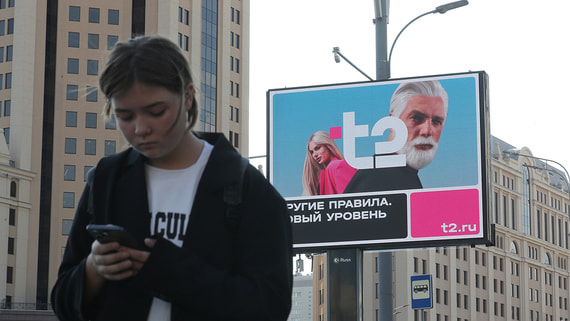

The Russian market for Mobile Virtual Network Operators (MVNOs) has reached a significant milestone, with total revenues climbing to 111 billion rubles. This rapidly growing sector now operates approximately 40 million SIM cards across the country, demonstrating the increasing appeal of alternative mobile services among Russian consumers and businesses alike. Of these 40 million active SIM cards, 26.3 million are utilized by individual subscribers, while the remainder serves machine-to-machine (M2M) communications and Internet of Things (IoT) applications.
Understanding the MVNO Business Model
Mobile Virtual Network Operators represent a unique segment of the telecommunications industry. Unlike traditional mobile carriers such as MTS, Beeline, MegaFon, and Tele2, MVNOs do not own physical network infrastructure. Instead, they lease network capacity from established operators and resell mobile services under their own brand names. This business model allows new entrants to offer competitive pricing and specialized services without the enormous capital investments required to build and maintain cellular networks. The MVNO approach has proven particularly successful in targeting niche markets and underserved customer segments that major carriers may overlook.
The concept of virtual operators emerged in Europe during the late 1990s and has since spread globally. In Russia, the MVNO market began developing in the mid-2000s but has experienced accelerated growth over the past decade. Companies entering this space range from retail chains and banks to technology startups, each bringing their own customer base and unique value propositions. For example, several major Russian banks have launched their own mobile services, bundling telecommunications with financial products to create comprehensive customer ecosystems.
Market Composition and Key Players
The breakdown of 40 million SIM cards reveals important insights about market dynamics. The 26.3 million human subscribers indicate strong consumer adoption of MVNO services, often attracted by lower prices, flexible tariff plans, or integration with other services they already use. Meanwhile, the remaining approximately 13.7 million SIM cards serve the rapidly expanding M2M and IoT sectors. These machine connections support everything from smart utility meters and vehicle tracking systems to industrial sensors and automated payment terminals. The growing digitalization of Russian industry and urban infrastructure continues to drive demand for connectivity solutions in this segment.
Several prominent MVNOs have established themselves as market leaders in Russia. Yota, originally launched as an independent operator before being acquired by MegaFon, pioneered many innovative approaches to mobile services. Other significant players include Tinkoff Mobile, backed by the digital bank Tinkoff, and various retail-linked operators that leverage existing customer relationships. The competitive landscape has intensified as more companies recognize the strategic value of offering mobile services, even if telecommunications is not their core business.
Future Growth and Industry Outlook
Analysts predict continued expansion for the Russian MVNO market as digital transformation accelerates across all sectors of the economy. The proliferation of IoT devices, smart city initiatives, and industrial automation will likely drive substantial growth in M2M connections over the coming years. Some forecasts suggest the number of machine-connected SIM cards could eventually surpass human subscribers as connected devices become ubiquitous in daily life and business operations. Additionally, the development of 5G networks may create new opportunities for MVNOs to offer specialized services requiring high bandwidth and low latency.
The regulatory environment will play a crucial role in shaping the market’s trajectory. Russian telecommunications authorities have generally supported competition in the mobile sector, though MVNOs must navigate complex relationships with their host network operators. As the market matures, consolidation may occur among smaller virtual operators, while successful players continue to differentiate through innovative services, superior customer experience, and strategic partnerships. The 111 billion ruble market valuation represents not just current achievement but also the foundation for potentially substantial future growth in Russia’s evolving telecommunications landscape.
Expert Opinion: The Russian MVNO market’s trajectory suggests we are witnessing a fundamental shift in how mobile services are delivered and consumed. The near-equal split between human subscribers and M2M connections indicates that IoT applications will likely become the primary growth driver within the next three to five years. Companies that successfully integrate mobile connectivity with their core business offerings—whether financial services, retail, or industrial solutions—will be best positioned to capture value in this evolving ecosystem.