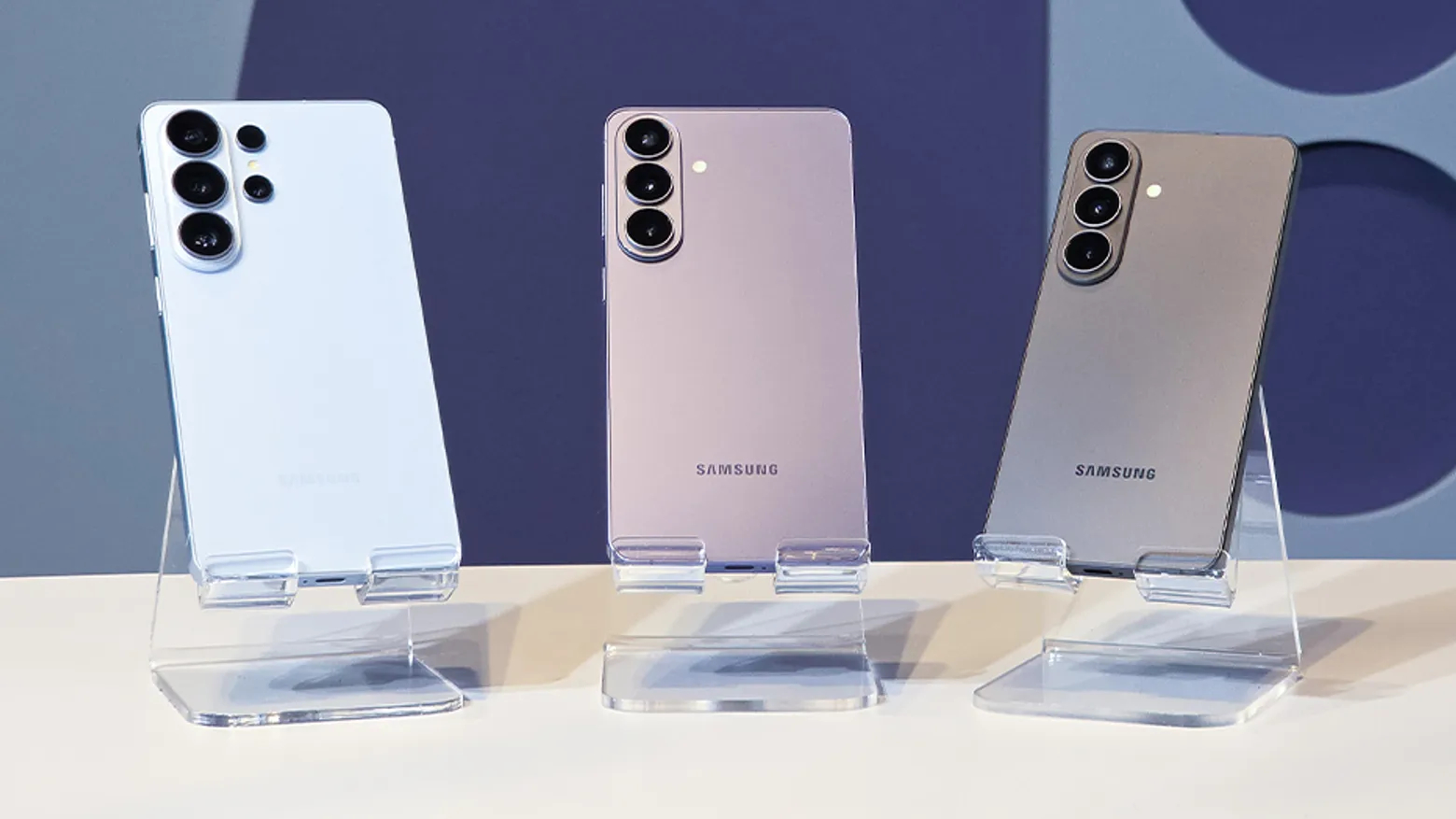

In what could mark a significant leap forward in smartphone battery technology, Samsung has dropped strong hints that its upcoming Galaxy S27 Ultra may become the first mainstream flagship device from the company to feature revolutionary silicon-carbon battery technology. This development signals a major shift in how premium smartphones will handle power management and could set new standards for the entire mobile industry.
The Korean tech giant has been quietly working on silicon-carbon anode battery technology for several years, and recent statements from company insiders suggest that the technology has finally matured enough for mass production. Silicon-carbon batteries represent a substantial improvement over traditional lithium-ion cells, offering higher energy density while maintaining the same physical dimensions. This means users could see significantly improved battery life without any increase in device thickness or weight.
Understanding Silicon-Carbon Battery Technology
Traditional lithium-ion batteries use graphite anodes, which have served the industry well but are approaching their theoretical limits in terms of energy density. Silicon-carbon technology replaces or supplements graphite with silicon particles mixed with carbon materials, creating an anode that can store significantly more lithium ions. Theoretically, silicon can hold up to ten times more lithium than graphite, though practical implementations typically achieve more modest improvements of 20-40% in energy density.
The challenge with pure silicon anodes has always been their tendency to expand and contract dramatically during charging cycles, which leads to rapid degradation. By combining silicon with carbon materials, engineers have found ways to mitigate this swelling effect while still capturing much of silicon’s superior energy storage capabilities. Samsung’s battery division, Samsung SDI, has been at the forefront of this research, holding numerous patents related to silicon-carbon composite materials.
Implications for the Galaxy S27 Ultra
If Samsung successfully implements this technology in the Galaxy S27 Ultra, expected to launch in early 2026, users could see battery capacities exceeding 6,000mAh while maintaining the device’s slim profile. Current Galaxy S24 Ultra models feature 5,000mAh batteries, so this would represent a substantial upgrade. More importantly, the improved energy density could allow Samsung to either extend battery life significantly or reduce device weight while maintaining current performance levels.
Industry analysts note that Samsung has previously tested advanced battery technologies in its Galaxy Z Fold series before bringing them to mainline devices. The company’s foldable phones have served as a testing ground for various innovations, and some reports suggest that silicon-carbon batteries may first appear in a limited capacity in foldable devices before the full rollout in the S27 series. This staged approach allows Samsung to identify and address any potential issues before committing to high-volume production.
The Competitive Landscape and Future Outlook
Samsung is not alone in pursuing advanced battery technology. Chinese manufacturers including CATL and BYD have made significant investments in silicon-carbon research, and several Chinese smartphone brands are rumored to be developing their own implementations. Apple is also believed to be exploring similar technologies for future iPhone models, creating an intensifying race to bring next-generation batteries to market. The first company to successfully mass-produce reliable silicon-carbon batteries for smartphones could gain a significant competitive advantage.
Beyond smartphones, silicon-carbon battery technology has major implications for electric vehicles, laptops, and other portable electronics. Samsung SDI already supplies batteries to various automotive manufacturers, and breakthroughs in smartphone applications could accelerate adoption across these larger markets. The technology represents one of the most promising pathways to more sustainable electronics, as higher energy density means fewer raw materials are needed to achieve the same performance levels.
Expert Opinion: The transition to silicon-carbon batteries represents the most significant advancement in mobile power technology since the widespread adoption of lithium-ion cells in the early 2000s. If Samsung successfully brings this technology to the Galaxy S27 Ultra, we can expect competitors to follow within 12-18 months, potentially triggering an industry-wide upgrade cycle. This development could finally address the persistent complaint about smartphone battery life that has plagued users for over a decade.