
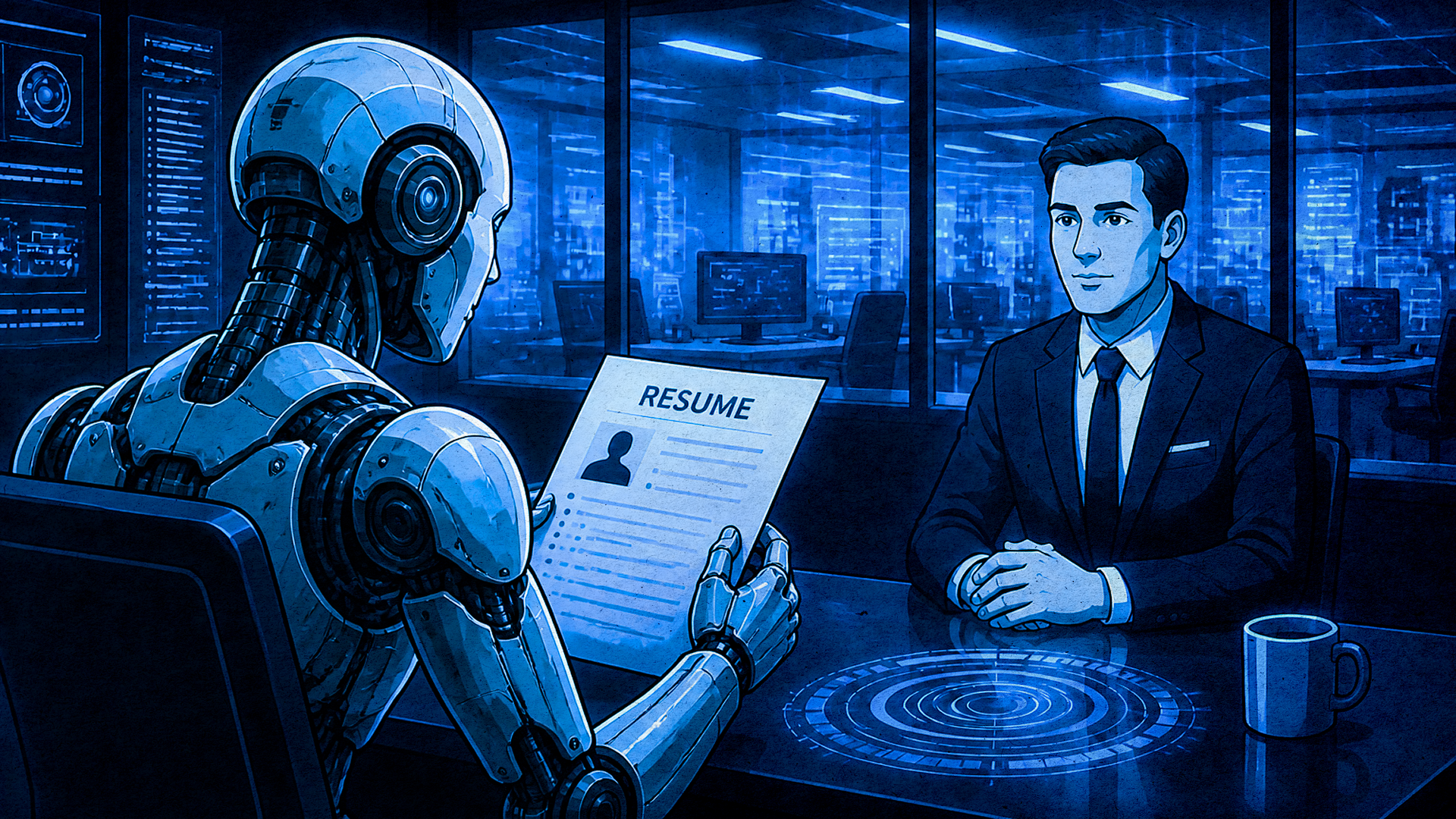
The hiring landscape in Ukraine is undergoing a dramatic transformation as major corporations increasingly deploy artificial intelligence systems to screen job applications. Industry giants including telecommunications leader Kyivstar, IT powerhouse SoftServe, and logistics company NOVA have already integrated AI-powered recruitment tools into their hiring processes. This shift marks a significant departure from traditional human-led resume review, forcing job seekers to fundamentally rethink their application strategies. Old tricks that once helped candidates bypass automated systems are becoming obsolete, as modern AI screening has evolved far beyond simple keyword matching.
For years, career advisors shared supposedly foolproof techniques for beating Applicant Tracking Systems (ATS). These included hiding relevant keywords in white text, stuffing resumes with industry jargon, or submitting files only in specific formats like DOCX. However, the latest generation of AI recruitment tools has rendered these tactics not just ineffective, but potentially harmful to candidates’ chances. Modern algorithms are sophisticated enough to detect manipulation attempts and may actually penalize applications that employ such deceptive practices.
The Evolution of AI Recruitment Technology
The artificial intelligence systems now employed by Ukrainian companies represent a quantum leap from the basic ATS platforms of the past decade. These advanced tools utilize natural language processing, machine learning, and even sentiment analysis to evaluate candidates holistically. Rather than simply scanning for keyword matches, they assess the overall coherence of a resume, the logical progression of a career, and how well a candidate’s experience aligns with job requirements in context. Companies like Kyivstar, which handles millions of customer interactions daily, have found that AI screening helps identify candidates who possess not just technical qualifications but also the soft skills necessary for customer-facing roles.
SoftServe, one of Ukraine’s largest IT services companies with over 8,000 employees globally, has been at the forefront of this technological adoption. The company receives thousands of applications monthly for positions ranging from junior developers to senior architects. By implementing AI screening, SoftServe has reportedly reduced initial resume review time by up to 70% while improving the quality of candidates who reach the interview stage. The logistics giant NOVA, which has experienced explosive growth during wartime as a critical infrastructure provider, similarly relies on algorithmic screening to manage high-volume hiring for its expanding operations across Ukraine and internationally.
What Modern AI Actually Looks For
Understanding what contemporary AI recruitment systems evaluate is crucial for job seekers hoping to advance past initial screening. These systems analyze multiple dimensions of an application simultaneously. They examine the relevance of experience to the specific role, looking for demonstrated achievements rather than generic job descriptions. They assess the clarity and professionalism of writing, as poor grammar or confusing structure can trigger negative signals. Perhaps most importantly, they evaluate authenticity – modern AI can detect when candidates have artificially inflated their qualifications or used generic templates that don’t reflect genuine experience.
Career experts emphasize that the most effective strategy for passing AI screening is paradoxically the most straightforward: create a genuine, well-organized resume that clearly communicates your actual qualifications. Tailoring your resume to each specific position remains important, but this should involve highlighting relevant existing experience rather than fabricating connections that don’t exist. Using industry-standard terminology naturally within the context of describing real accomplishments is far more effective than keyword stuffing. The AI systems employed by companies like Kyivstar and SoftServe are trained to recognize authentic professional narratives.
Practical Strategies for the AI-Driven Job Market
Successful candidates in this new environment focus on several key principles. First, they ensure their resumes follow clean, logical formatting that AI systems can easily parse – this means avoiding overly creative designs, unusual fonts, or complex tables that might confuse algorithms. Second, they write in clear, active language that describes specific achievements with quantifiable results where possible. Third, they maintain consistency between their resume, LinkedIn profile, and other professional presence, as many AI systems cross-reference multiple sources to verify candidate information.
The human element hasn’t disappeared entirely from recruitment, but it has shifted to later stages of the process. At NOVA, for instance, AI screening handles the initial filtering of applications, but human recruiters make final decisions about who receives interview invitations. This hybrid approach means that candidates must satisfy both algorithmic requirements and human expectations. Understanding this dual audience is essential for crafting applications that successfully navigate the modern hiring pipeline in Ukraine’s competitive job market.
Expert Opinion: The integration of AI into recruitment processes across Ukrainian companies signals a broader professionalization of the job market that will likely accelerate post-war. Job seekers who invest in developing authentic, clearly articulated professional profiles will find themselves at a significant advantage, while those relying on outdated manipulation tactics risk permanent damage to their digital reputation. The next frontier will likely involve AI systems that evaluate candidates’ potential for growth and cultural fit, making genuine skill development more valuable than ever before.