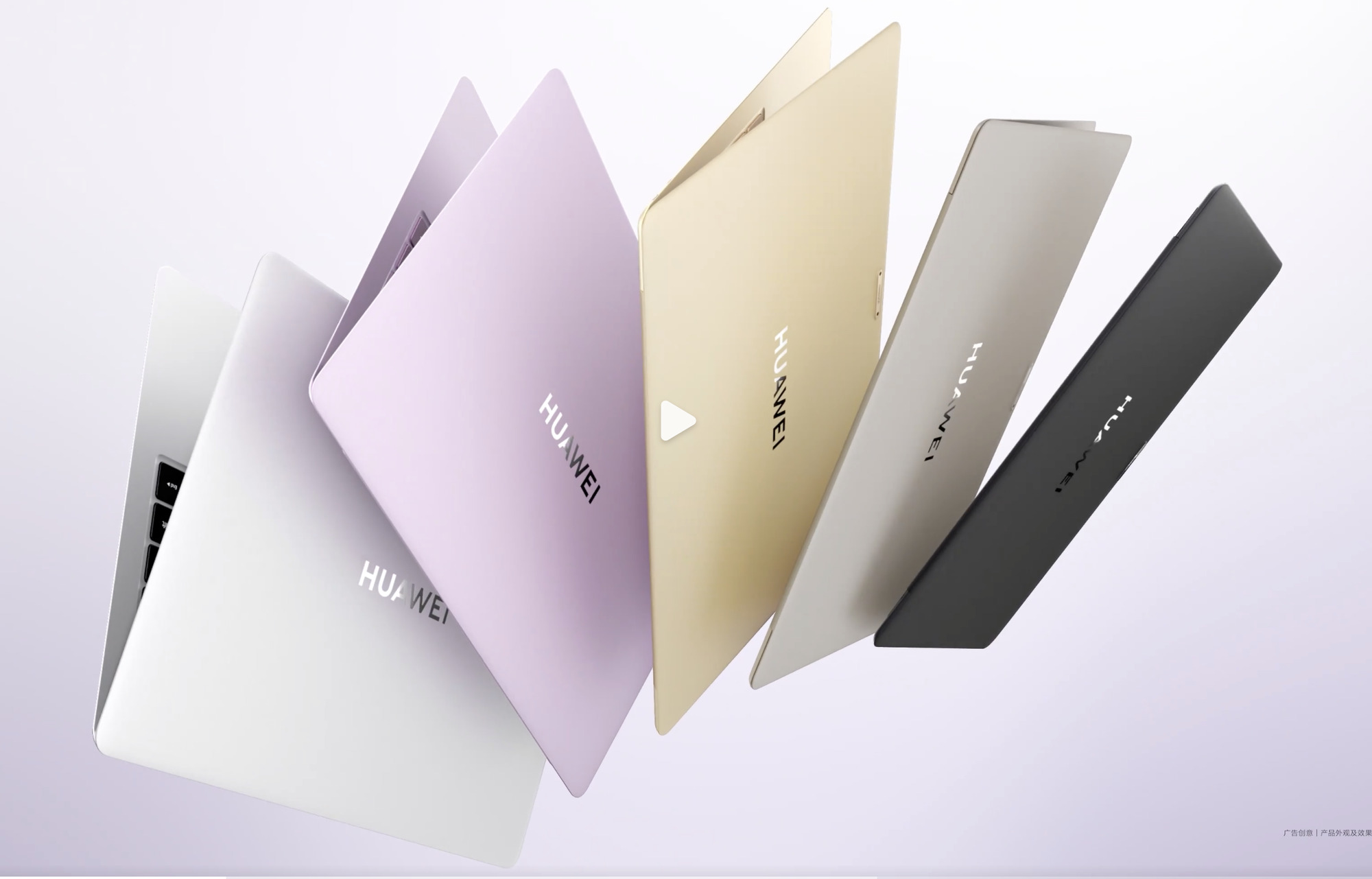
Huawei has officially unveiled its latest flagship laptop, the MateBook Pro S, positioning it as one of the lightest 14-inch notebooks in the company’s history. The announcement signals Huawei’s continued commitment to the premium ultraportable market segment, directly challenging Apple’s dominance with devices that push the boundaries of weight reduction without sacrificing performance. This new addition to the MateBook lineup represents a significant engineering achievement, as the Chinese tech giant continues to innovate despite ongoing geopolitical challenges and trade restrictions that have reshaped its business strategy over recent years.
The MateBook Pro S arrives at a critical time for Huawei, which has been aggressively expanding its laptop portfolio to compensate for losses in its smartphone division. Industry analysts note that the company has successfully pivoted toward PC manufacturing, leveraging its expertise in miniaturization and power efficiency gained from years of mobile device development. The ultra-light design philosophy behind the MateBook Pro S reflects a broader industry trend where manufacturers compete not just on specifications, but on portability metrics that matter most to business travelers and mobile professionals.
Revolutionary Weight Reduction and Design Philosophy
The engineering team at Huawei has achieved remarkable weight reduction in the MateBook Pro S through a combination of advanced materials and innovative structural design. While exact specifications are still being confirmed, early reports suggest the device weighs significantly less than competing models in the same category, including Apple’s popular MacBook Air. This achievement is particularly impressive given that 14-inch displays have become the sweet spot for productivity-focused users who need adequate screen real estate without the bulk of larger machines.
Huawei’s approach to weight reduction likely involves the use of magnesium-aluminum alloy construction, carbon fiber reinforcement in key structural areas, and careful optimization of internal component placement. The company has previously demonstrated expertise in thermal management solutions that allow for thinner chassis designs, and these technologies appear to have been refined further for the MateBook Pro S. Industry experts suggest that maintaining structural rigidity while reducing weight remains one of the greatest challenges in ultraportable design, requiring extensive computer simulation and prototype testing.
Competitive Landscape and Market Positioning
The premium ultraportable laptop market has become increasingly competitive, with major players including Apple, Dell, Lenovo, and ASUS all vying for the attention of discerning consumers willing to pay premium prices for cutting-edge technology. Huawei’s decision to directly compare the MateBook Pro S to Apple’s MacBook lineup is a bold marketing strategy that signals confidence in the product’s ability to compete at the highest level. The comparison also reflects the reality that Apple remains the benchmark against which all premium laptops are measured, particularly in terms of build quality and user experience.
Historically, Huawei entered the laptop market in 2016 with the original MateBook, a 2-in-1 device that received mixed reviews but demonstrated the company’s ambitions beyond smartphones. Since then, the MateBook series has evolved significantly, with models like the MateBook X Pro earning praise for their display quality, performance, and innovative features such as the pop-up webcam hidden in the keyboard. The MateBook Pro S represents the culmination of nearly a decade of iterative improvements and lessons learned from previous generations.
Technical Specifications and Expected Features
While complete technical specifications await official confirmation, the MateBook Pro S is expected to feature Huawei’s latest display technology, potentially including an OLED panel with high refresh rates and exceptional color accuracy. The company has consistently prioritized display quality in its premium laptops, understanding that creative professionals and content consumers alike demand vivid, accurate visuals. Battery life optimization will likely be another focus area, as ultra-light devices typically face challenges in accommodating large battery cells while maintaining their weight advantage.
Processing power in the MateBook Pro S remains a subject of speculation, given Huawei’s complex relationship with chip suppliers due to international sanctions. The company has demonstrated resilience in this area, developing its own solutions and establishing alternative supply chains. The integration of Huawei’s HarmonyOS ecosystem features may also differentiate the MateBook Pro S from competitors, offering seamless connectivity with Huawei smartphones, tablets, and wearables through features like Multi-screen Collaboration and Super Device functionality.
Expert Opinion: The MateBook Pro S represents Huawei’s strategic response to market pressures, demonstrating that innovation continues despite supply chain constraints. As ultraportable laptops approach physical limits of weight reduction, we can expect the next battleground to shift toward battery efficiency, AI integration, and ecosystem connectivity. Huawei’s vertical integration capabilities and experience in mobile optimization position it well to compete in this evolving landscape, though sustained success will depend on software ecosystem development and international market access.